) An NGO, IdeaPlus Foundation, says inadequate knowledge of tax laws is creating compliance challenges for non-profit organisations across Nigeria, urging stronger collaboration among stakeholders.
Co-founder of the foundation, Mr Dayo Olaide, stated this at the National Policy Dialogue on Nonprofit Taxation in Nigeria on Tuesday in Abuja.
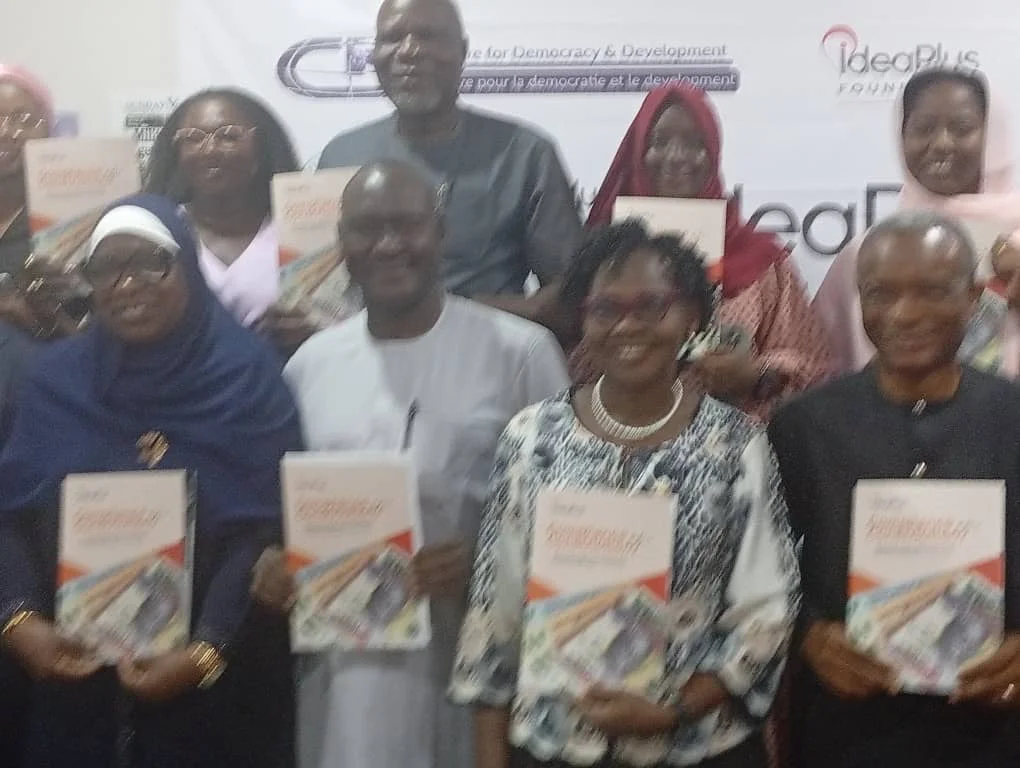
The News Agency of Nigeria (NAN) reports that the occasion was also used to launch a report: Compliance or Constriction? Assessing the Nigeria Revenue Service Tax Drive and Its Impact on the Sustainability of Nigerian Civil Society by the foundation.
Olaide said the research revealed significant knowledge gaps on withholding tax, Value Added Tax (VAT) and stamp duties within the non-profit sector.
He said that many organisations had undergone tax audits and received substantial tax demands, raising concerns over their capacity to meet statutory obligations.
According to him, the study seeks to determine whether compliance failures stem from deliberate tax avoidance or inadequate institutional capacity to implement tax requirements.
Olaide urged civil society organisations to strengthen internal systems for tracking tax obligations and ensuring timely compliance with relevant tax laws.
The co-founder also called on Nigeria Revenue Service (NRS) to provide guidance and capacity building, while urging donors to support tax research, evidence gathering and advocacy.
Also speaking, a chartered accountant, Mr Oladimeji Ayoola, said documentation and record keeping were essential for taxation, stressing that every expenditure must be supported by evidence to avoid higher tax liabilities.
Ayoola, an ICAN fellow, described taxation as the implementation of tax laws into accounting, urging organisations and individuals to understand their tax obligations and recognise taxes as contributions to support government responsibilities.
While stating that the Nigerian Tax Act had unified multiple tax laws into one framework, he, however, called for sustained public sensitisation by NRS to improve compliance and tax education.
On her part, Dr Titilayo Enitanfowokan, Deputy Vice-President of Chartered Institute of Taxation of Nigeria, said Nigeria’s tax environment had changed.
Enitanfowokan said it required civil society and non-profit organisations to understand tax laws, obligations and establish processes that would ensure full compliance.
“Organisations should include tax obligations, consultancy and compliance support costs in donor-funded project budgets to avoid unexpected liabilities and ensure adequate funding.
“Compliance helps organisations to avoid additional costs from taxes, penalties and interest. Clearer guidance from tax authorities is also needed to improve understanding of compliance requirements.
“Tax advisers should support organisations, while civil society groups should engage government during tax law reviews to advocate favourable policies without undermining their operations or legal compliance,” Enitanfowokan said.
Chairman of NRS, Dr Zacch Adedeji, urged CSOs to fit into the laws of the land, while also calling on Nigerians to comply with tax obligations in accordance with the law.
NAN reports that Adedeji was represented at the occasion by the NRS Director of Tax Policy and Advisory, Mrs Bolanle Azeez.
He explained that the new tax incentives had reduce tax burdens for CSOs and NGOs.
On his part, Auwal Rafsanjani, Executive Director, Civil Society Legislative and Advocacy Centre (CISLAC), solicited for greater understanding from revenue collection institutions.
Rafsanjani expressed NGOs’ support for tax compliance but warned that excessive demands could cripple smaller organisations struggling with funding, staffing and service delivery, unlike larger, better-resourced ones.
He called for sustained dialogue involving NGOs, the National Assembly and revenue agencies to identify compliance obstacles and develop practical solutions that would benefit both government and civil society.
Rafsanjani welcomed tax education initiatives, saying they would reduce compliance mistakes and provide forums for organisations to address challenges, while meeting their legal tax obligations.
NAN reports that the engagement brought together policy makers, tax authorities, civil society organisations, development partners and professional bodies.
NAN also reports that the dialogue focused on how Nigeria could strengthen domestic revenue mobilisation while supporting a vibrant and sustainable non-profit sector.(NAN)