) The Federal Capital Territory Administration (FCTA) has pledged sustained investment and coordinated action to improve nutrition outcomes for women and children in the nation’s capital.
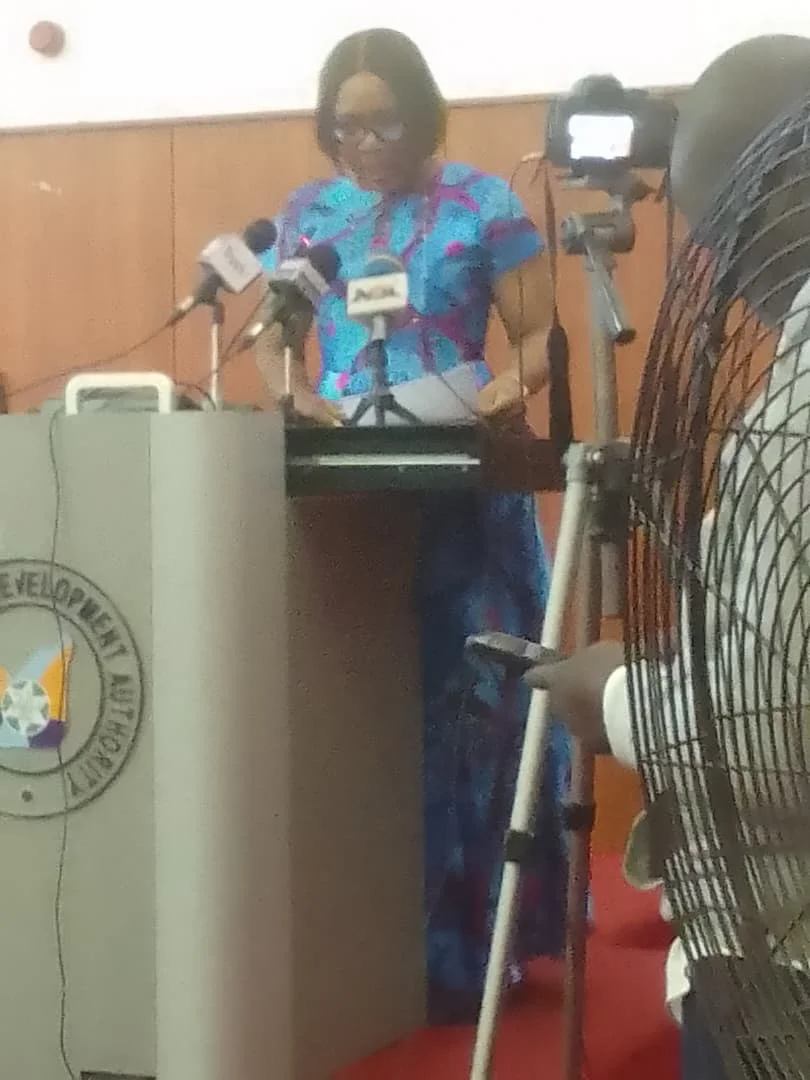
Dr Adedolapo Fasawe, Mandate Secretary, Health Services and Environment Secretariat (HSES), made the pledge at a news conference to commemorate the 2026 World Breastfeeding Week (WBW), observed from Aug. 1 to Aug. 7.
The News Agency of Nigeria (NAN) reports that the briefing also highlighted the FCTA’s activities on the prevention and control of infectious diseases in the FCT.
Speaking on the nutrition situation in the FCT, Fasawe said that although the territory continued to enjoy some urban advantages, nutrition challenges remained significant.
She said that according to the 2023 Nigeria Demographic and Health Survey (NDHS), the FCT has a stunting rate of 16 per cent, a wasting rate of seven per cent, an underweight prevalence of 13.7 per cent and an exclusive breastfeeding rate of 29.1 per cent.
She said the figures underscored the need for sustained investment and coordinated action to improve nutrition outcomes for women and children.
Explaining the importance of exclusive breastfeeding, Fasawe said breast milk was a child’s first vaccine, adding that it was safe, clean and contained all the nutrients required during the first six months of life.
“Breastfeeding reduces the risk of diarrhoea, pneumonia and malnutrition, while improving brain development.
“For mothers, it reduces the risk of breast and ovarian cancer and helps the womb return to normal after childbirth.
“For the FCT and Nigeria, it saves lives, reduces healthcare costs and contributes to raising a healthier and more productive generation.
“Data shows that exclusive breastfeeding for the first six months can prevent thousands of child deaths in Nigeria every year, yet many mothers still face barriers,” she said.
Fasawe said that under the leadership of the FCT Minister, Mr Nyesom Wike, the administration was committed to creating an enabling environment for breastfeeding mothers.
She said the HSES was strengthening health facilities to implement the Baby-Friendly Hospital Initiative and training health workers to provide skilled counselling and support.
She added that the administration was promoting workplace support by encouraging six months of maternity leave and the provision of crèches and breastfeeding corners in public and private workplaces.
According to her, the FCTA was also engaging communities through Primary Health Care Centres, Ward Health Committees and community influencers to promote breastfeeding and dispel harmful myths.
She added that the administration was enforcing the Code of Marketing of Breast-milk Substitutes to ensure mothers received accurate information free from commercial influence.
Fasawe urged fathers and other family members to support nursing mothers by assisting with household chores, while calling on employers to establish breastfeeding-friendly workplaces.
She also urged health workers to provide counselling, encouragement and follow-up for every pregnant woman and nursing mother at every contact.
Earlier, Dr Dan Gadzama, Executive Secretary, FCT Primary Health Care Board (FPHCB), said the theme for the 2026 World Breastfeeding Week, “Breastfeeding for a Sustainable Start in Life: Strengthen What Works,” was apt.
He said exclusive breastfeeding for the first six months, followed by continued breastfeeding alongside appropriate complementary feeding, remained one of the most cost-effective interventions for reducing child mortality and malnutrition in the FCT.
Also speaking, Dr Jibrin Al-Kasim Musa, FCT State Coordinator for the World Health Organisation (WHO), stressed the importance of sanitation, energy and collaboration among government agencies, development partners, communities and the media.
He said the media remained a critical partner in disseminating accurate health information, building public confidence and promoting positive health-seeking behaviour, while urging journalists to continue educating the public on the benefits of breastfeeding.
“I encourage everyone to take responsibility for their health by remaining vigilant, adhering to public health advisories, maintaining good environmental sanitation to prevent malaria, and ensuring that children and pregnant women receive all recommended vaccinations,” he said.
In her remarks, Dr Teresa Nwachukwu, Director, FCT Public Health Department, said the FCT Epidemiology Department was intensifying efforts to control the spread of diseases across the territory. (NAN)