Nigeria must strengthen protection of its territorial borders and information space against emerging threats, including disinformation and artificial intelligence-generated content.
The Minister of Information and National Orientation, Malam Mohammed Idris, and Mr Sunday Dare, Special Adviser to the President on Media and Public Communication, stated this on Thursday in Abuja.
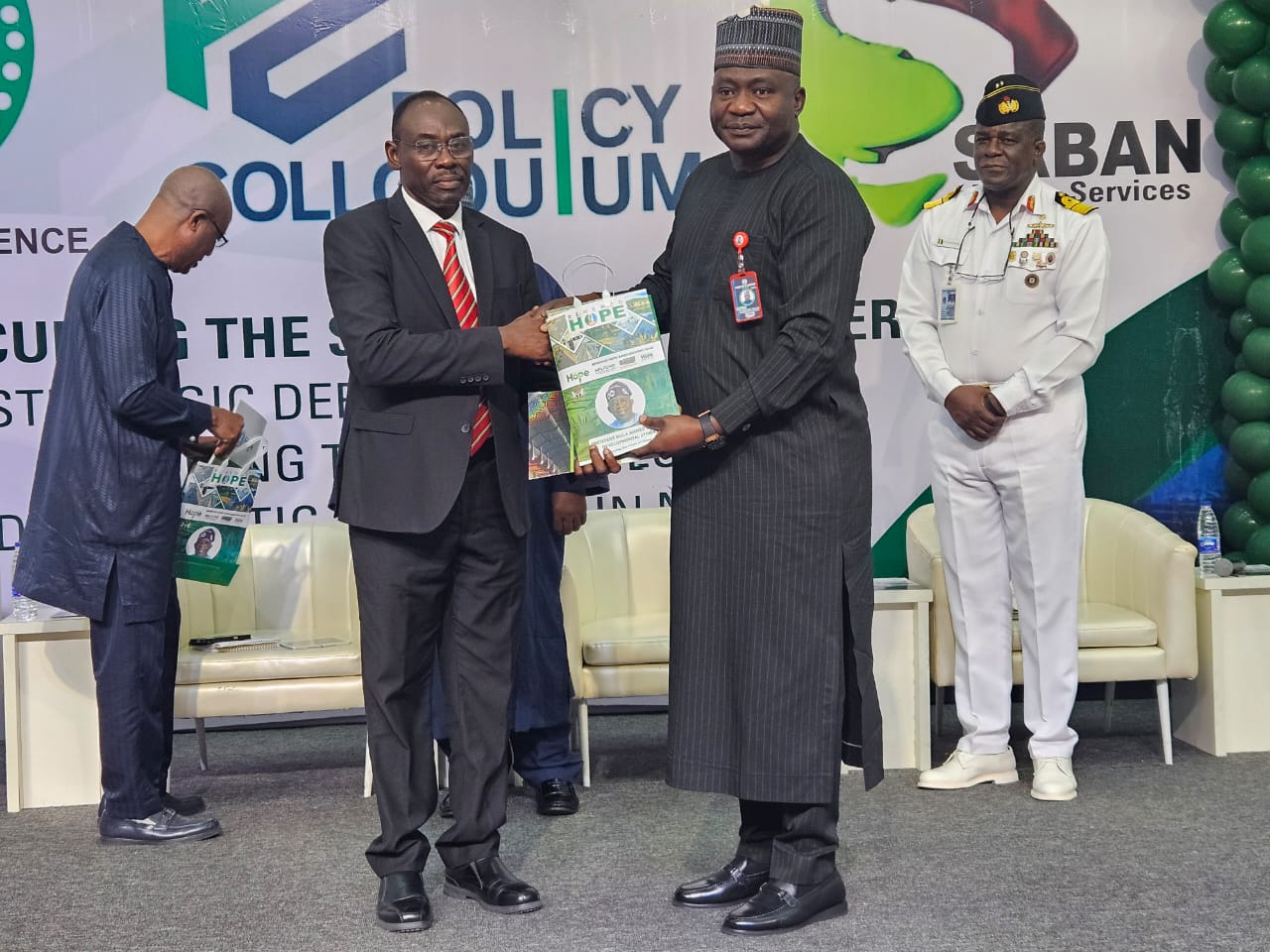
They spoke at a Policy Colloquium organised by the Ministry of Defence in collaboration with Saban Media Services.
The colloquium was themed: “Securing the Sovereign Frontier: Strategic Defence Architecture, Emerging Technologies and Democratic Integrity in Nigeria.”
Idris, represented by the Director-General of the National Orientation Agency, Mr Lanre Onilu, said national security had moved beyond protecting physical territories.
He said the proliferation of artificial intelligence had created new avenues for generating fake images, videos and narratives capable of undermining national cohesion.
He warned that the greatest danger was not merely citizens believing false information but losing confidence in all sources of information.
“Today, nations must also protect the information and cognitive space.
“Deepfakes can impersonate leaders. Synthetic content can fabricate events. Automated networks can amplify false narratives.
“The greatest danger is that we may eventually begin to doubt all information, including credible journalism and legitimate institutions.
“Loss of public trust ultimately threatens democratic stability and national security,” he said.
Idris said government must therefore strengthen strategic communication and provide credible information before false narratives take root.
He said the Federal Ministry of Information and National Orientation would continue working with defence and security agencies, media organisations, technology institutions and other stakeholders to strengthen national resilience.
“We must provide facts before falsehood becomes an accepted narrative. We must explain policies before misinformation defines them,” he said.
Idris urged Nigerians to strengthen media and information literacy, saying citizens must be able to question suspicious content, verify sources and recognise manipulation.
He said Nigeria must protect its information ecosystem alongside its land, air and maritime territories in the 21st century.
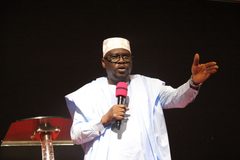
On his part, Dare described Nigeria’s borders as both the frontline of national security and an avenue for regional economic cooperation.
He said effective border management was central to economic integration, regional security and cooperation.
According to him, borders present at one and the same time an opportunity for regional cooperation, but also serve as the frontline for regional security.
“Where you have border management, you get economic integration, regional security and cooperation. Where you have border mismanagement, you can guess what instability is,” he said.
The presidential aide also dismissed claims that Nigeria’s borders were closed, describing such assertions as false.
He, however, stressed that open borders must operate within effective security controls and cautioned against politicising border security or using the issue to score electoral points.
“There are no open borders without controls. You must understand there is a restriction. That’s why you have immigration, customs and other parameters,” he said.
“When it comes to the sovereignty of our borders, when it comes to security, it should not be an arena for politics or an arena to seek votes or to score cheap political points,” he said.
Dare said legitimate economic activities were taking place across Nigeria’s major border points, with effective controls supporting both security and commerce.
He said Nigeria’s experience showed that border governance had direct implications for national and regional stability. (NAN)