Yobe and Benue governments have pledged to strengthen domestic funding and community-level interventions to tackle Neglected Tropical Diseases (NTDs) amid declining external support.
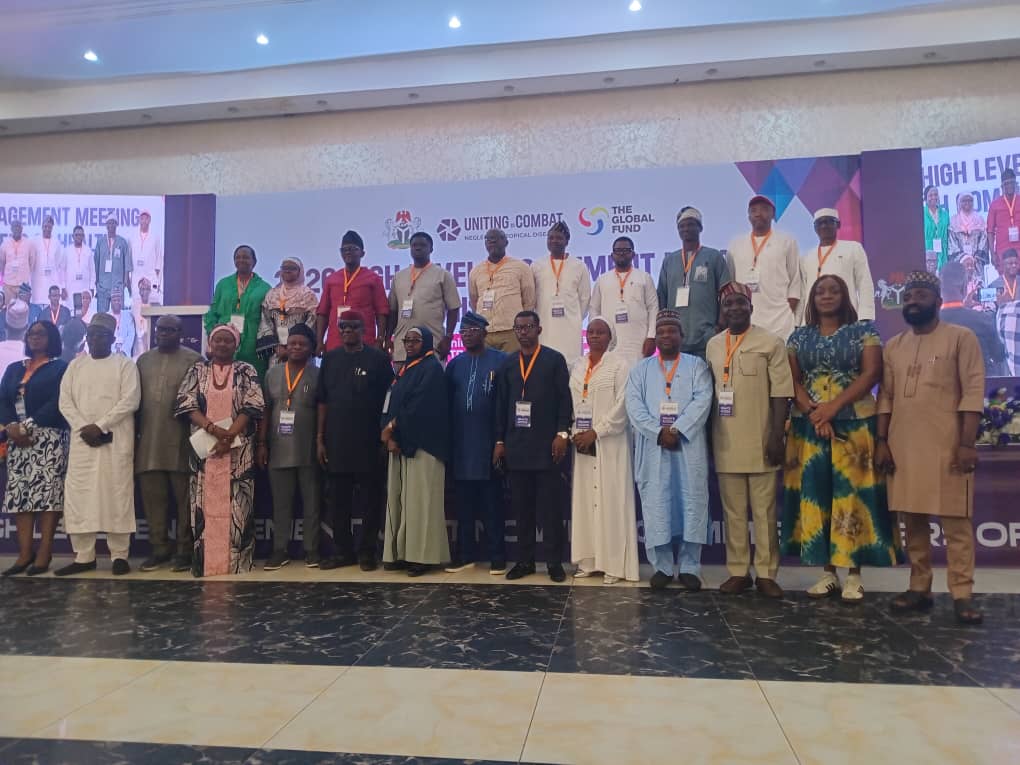
The states made the commitment at the 2026 Annual High-Level Advocacy Meeting on NTDs in Abuja on Thursday.
It was themed “Translating Commitments into Budgetary Action”.
Hadiza Sabo, Permanent Secretary, Yobe State Ministry of Health and Human Services, said the state was integrating NTD interventions into its planning and budgeting processes.
“We will create a budget line that will speak for the NTDs,” she said.
Sabo said the state would engage local government chairmen and other stakeholders to ensure interventions reached affected communities.
She stressed the need for collaboration among health, Water, Sanitation and Hygiene (WASH), education and local government authorities to address conditions that fuel NTD transmission.
Sabo added that the state would integrate NTD interventions into existing programmes rather than implement them as stand-alone activities.
Similarly, Benue Commissioner for Health and Human Services, Dr Paul Ogwuche, said declining external funding made increased government investment essential to sustain NTD programmes.
He said donor organisations had played a dominant role in financing the programmes, requiring governments to develop sustainable domestic funding arrangements.
“The landscape is changing, the external fundings are reducing, and as a responsible government, we need to come together like this to chart a way out,” he said.
Ogwuche said vulnerable people and rural communities were especially affected by conditions such as leprosy, lymphatic filariasis and snakebite.
He identified Benue as one of Nigeria’s high-burden states for snakebite, noting that the condition could cause serious complications and long-term consequences.
He said the meeting provided an opportunity for states to explore sustainable financing options and advance efforts towards the 2030 NTD elimination targets.
The News Agency of Nigeria (NAN) reports that the two-day meeting, which began on Wednesday, brought together state health officials and other stakeholders to discuss domestic financing and programme implementation.
Participants are also advocating dedicated NTD budget lines in states’ 2027 health budgets, expenditure tracking and stronger coordination across relevant sectors.
NTDs are a group of conditions that cause significant health, social and economic burdens, especially among impoverished communities with limited access to safe water, sanitation and healthcare.
The World Health Organisation (WHO) recommends combining disease-specific interventions with preventive treatment, vector control, improved sanitation and cross-sector collaboration to accelerate control and elimination.