Red Cross seeks end to violence against health workers, facilities
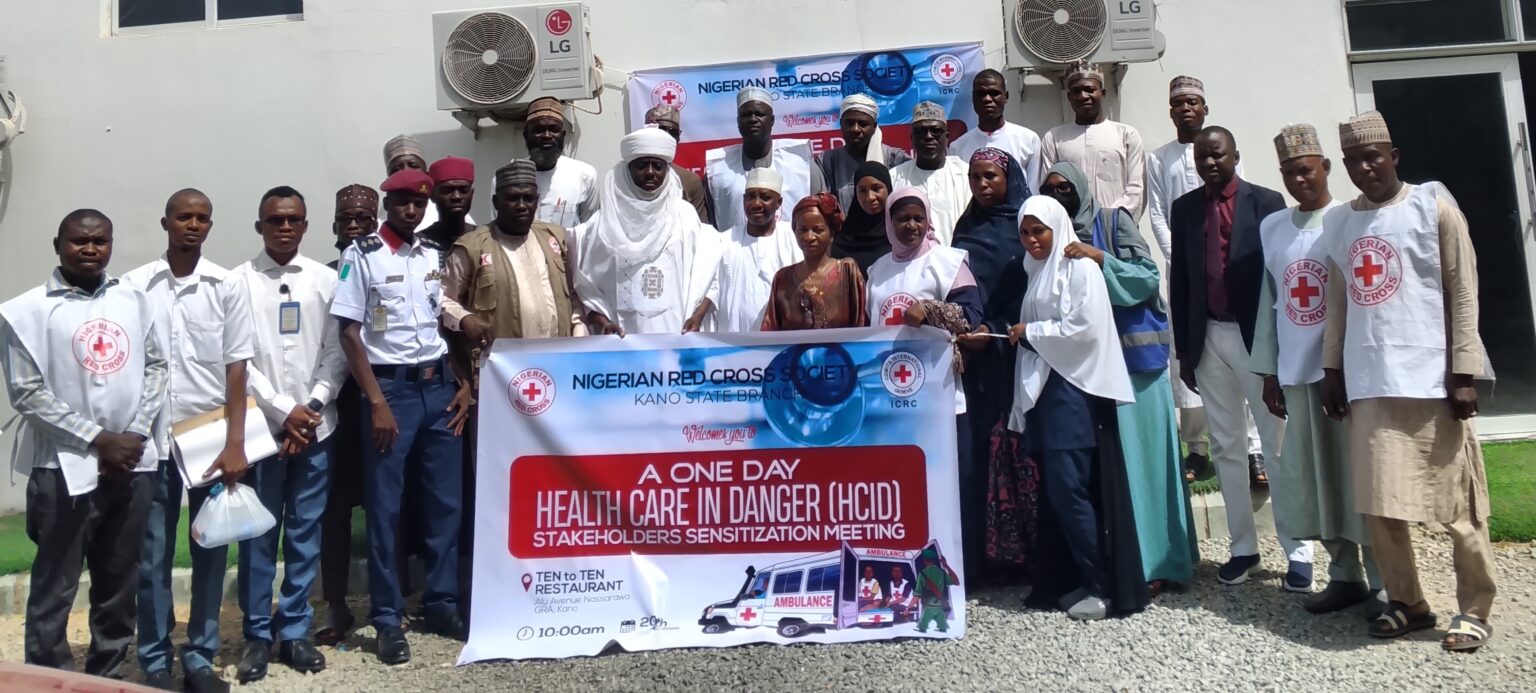
The Nigerian Red Cross Society has called for collective action to prevent violence against health workers, patients and emergency medical services in Kano State.
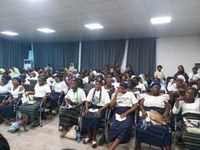
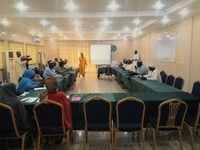
Alhaji Musa Abdullahi, Executive Secretary of the Nigerian Red Cross Society, Kano Branch, made the call during a meeting with healthcare stakeholders on Tuesday in Kano.
He said there was a need to ensure safety in health facilities and protect healthcare personnel and medical infrastructure.
Abdullahi said the programme was designed to raise awareness on violence in health facilities and promote peaceful interactions between health workers, patients and their relatives.
“Violence in healthcare settings sometimes results in confrontations between health workers and patients’ relatives, with some incidents escalating to the destruction of ambulances and health facilities.
“The situation requires concerted efforts by health workers, the media and other stakeholders to promote safety and ensure uninterrupted healthcare delivery,” he said.
The ES urged the media to use their platforms to educate the public on the consequences of violence in health facilities and the need for mutual respect and understanding.
Abdullahi also called on health workers, patients and their relatives to exercise patience, practise tolerance and listen to one another, particularly during emergencies.
In the same vein, Dr Sharif Yahaya-Musa, the Coordinator of the State Emergency Medical Services and Ambulance System (SEMSAS), said the initiative was aimed at addressing dangers faced by healthcare workers, patients and ambulance services.
Yahaya-Musa stressed the need for all parties to act responsibly and understand their respective roles during emergencies.
According to him, patients visit health facilities to receive medical care, while health workers are responsible for providing the required treatment.
He urged patients, their relatives and healthcare personnel to exercise patience and cooperate with one another to facilitate effective service delivery.
The coordinator further explained that improved understanding and responsible conduct among stakeholders would help create a safer environment for healthcare delivery and emergency medical response.
Mrs Briskila Sule, one of the stakeholders who spoke on behalf of others, said she had learnt more about patient and health worker interactions along with their relatives.
She thanked the NRCS for the meeting and pledged to spread the sensitisation in the course of carrying out her daily activities.