Transport
The Lagos State Government has called for effective implementation of its transport policies to improve connectivity, traffic management and sustainable urban mobility.
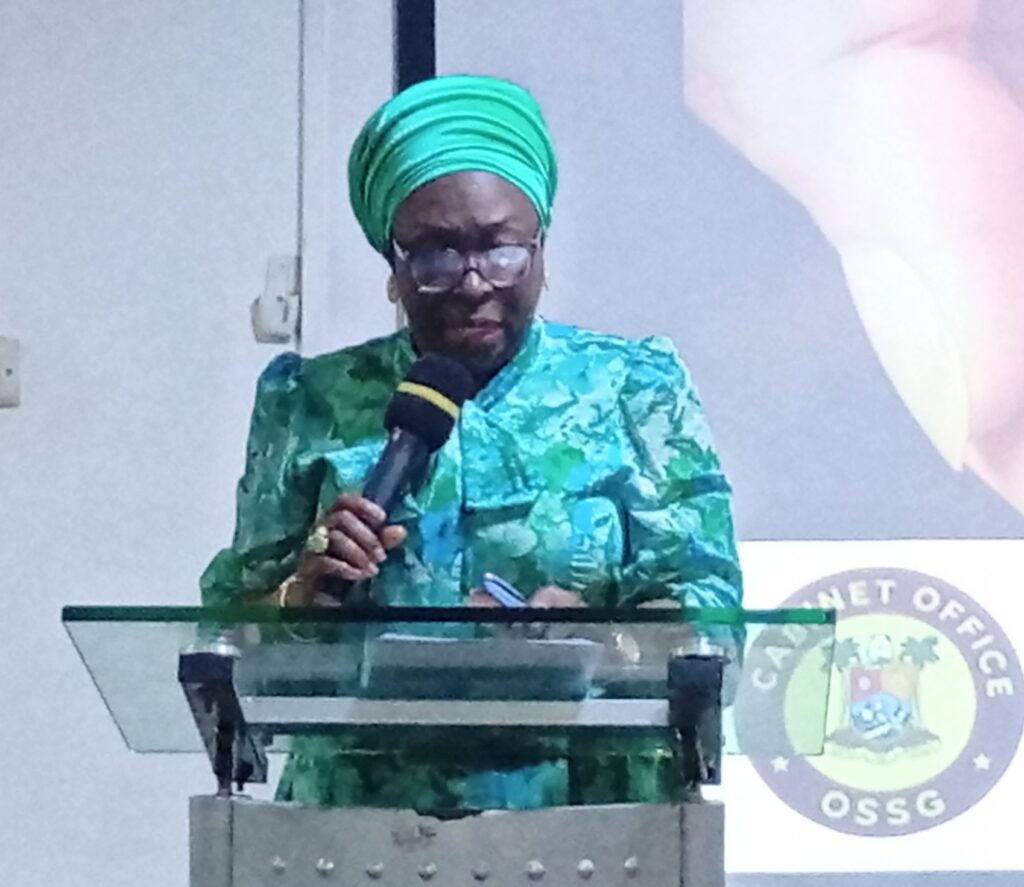
The Permanent Secretary, Cabinet Office, Mrs Oluwatoyin Oladeji, made the call at the 5th Public Policy Roundtable on “Accelerating Accountable and Responsive Governance through Traffic Management and Transportation” on Tuesday in Lagos.
The roundtable was organised the Policy Analysis, Monitoring and Evaluation Department (PAME), of the Cabinet Office, to assess transport policies and identify measures to improve their implementation.
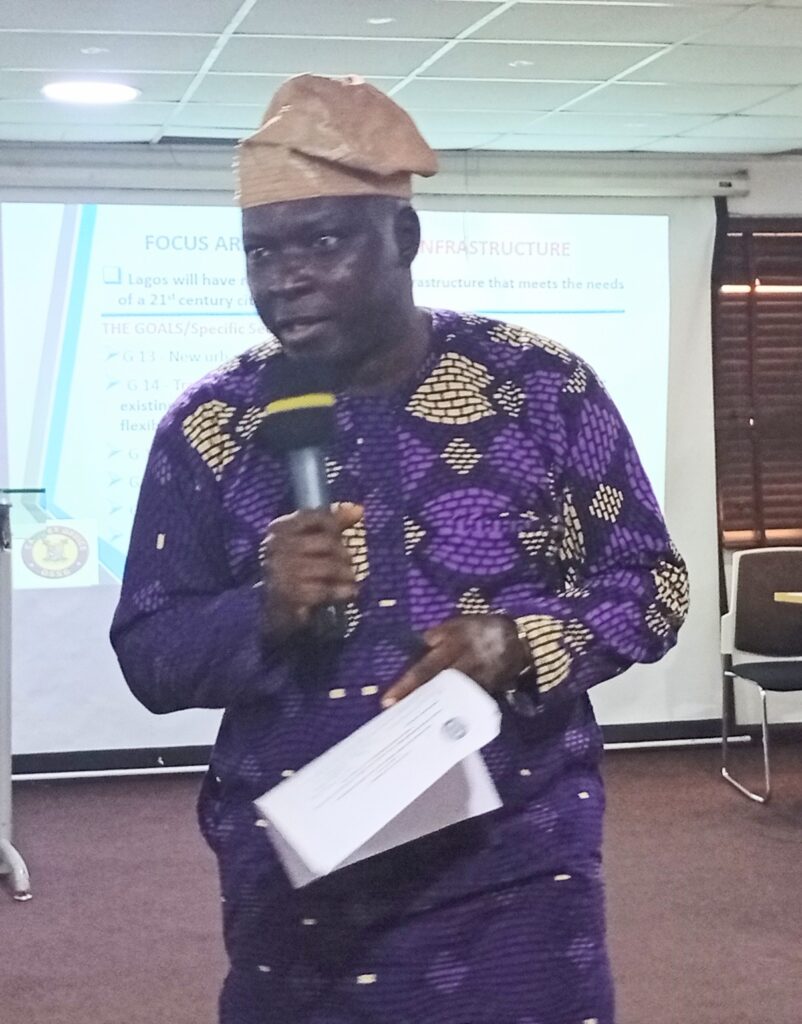
Oladeji said that effective policy delivery required clear responsibilities, institutional accountability and sustained commitment from government agencies and other relevant parties.
“The responsibility for delivering sustainable infrastructure outcomes cannot rest on ministries and government institutions alone. It requires effective coordination and contributions by all stakeholders,” she said.
The permanent secretary urged participants to develop practical recommendations that would translate government policies into measurable improvements in transport services.
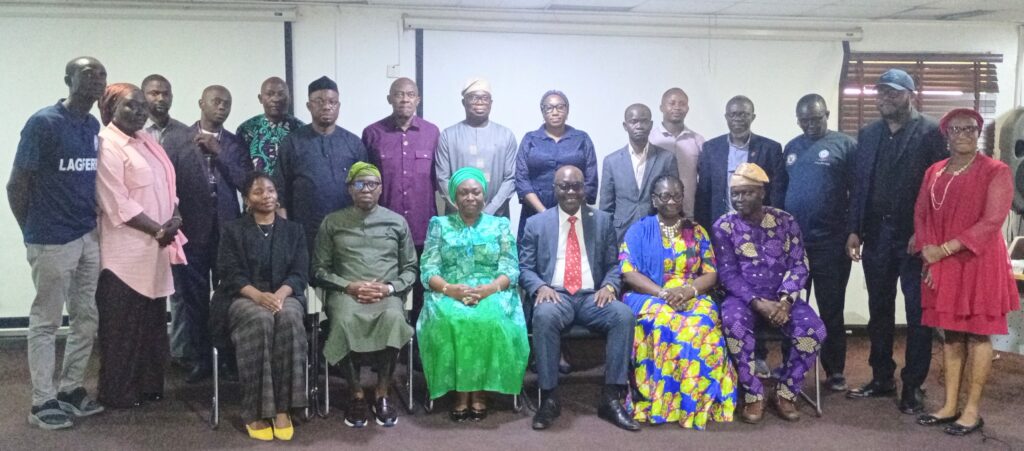
Earlier, the Director, PAME Department, Dr Oladele Oyatope, said that the roundtable was to review the state’s transport policies and sought recommendations to address implementation gaps.
Oyatope said that the discussions focused on the traffic management and transportation pillar of the state’s THEMES Plus agenda.
He said that the Lagos State Transport Policy, unveiled in May 2023, was designed to provide reliable, equitable, affordable and environmentally sustainable transportation, while supporting inclusive economic and social development.
According to him, the Lagos State Development Plan 2052 provides a framework for developing Lagos into Africa’s model megacity, a global economic and financial hub.
He said that the transport policy promoted an integrated multimodal system connecting road, rail and water transport, while addressing the needs of pedestrians and cyclists.
The director listed the policy’s priority areas as road infrastructure and safety, traffic management, public and private transportation, urban freight, non-motorised transport, rail, air, inland waterways, maritime transportation and environmental sustainability.
He also highlighted the Non-Motorised Transport Policy initiated by the Lagos Metropolitan Area Transport Authority (LAMATA) and a proposed Lagos Cycling Policy to improve conditions for pedestrians and cyclists.
Oyatope said that the Strategic Transport and Mobility Master Plan was designed to address current and future mobility needs, particularly as Lagos’ population was projected to reach 50 million by 2050.
He identified vandalism and theft of public infrastructure as among the implementation challenges affecting the transport sector.
Also speaking, Mr Olasunkanmi Ojowuro, the Director, Transport Operations, Lagos State Ministry of Transportation, called for increased public awareness of the transport policy and greater participation in its implementation.
Ojowuro said that efficient transportation was essential for residents to access schools, markets, hospitals and other vital services.
He said that the government was working to integrate road, rail and water transport to improve connectivity and ease movement across the state.
Citing the Marina and Mile 2 terminals as examples of transport hubs, the director said that the ”COWRY card” facilitated commuters’ movement across the transport systems.
He, however, identified infrastructure deficits, rapid population growth, street trading, non-use of pedestrian bridges and vandalism as challenges affecting transport operations.
Ojowuro said that the government was implementing infrastructure projects to address the challenges, but urged residents to protect public facilities and obey traffic regulations.
He cited estimates indicating that about 8,000 people moved into Lagos daily, compared to fewer than 1,000 who left, adding that the population growth placed additional pressure on the transport system.
In his remarks, Dr Olasunkade Azeez, the President, Institute of Leadership Coaching and Strategy, Nigeria, commended the government for providing a platform to review transport policies and develop practical solutions.
Azeez said that Lagos was well positioned to strengthen multimodal transportation because of its road, rail and waterway networks.
He expressed optimism that implementing the roundtable’s recommendations would improve mobility, residents’ quality of life and the state’s economic competitiveness.
Azeez urged the state government to sustain the policy review process and translate recommendations into measurable improvements in transportation. (NAN)