Historically, diplomatic relations between Nigeria and South Africa have been shaped by anti-apartheid solidarity and shared continental aspirations.
However, in an increasingly interconnected digital world, the relationship between Africa’s two largest economies is often overshadowed by recurring tensions, sensationalised headlines and viral controversies.
As fellows of the fifth MTN Media Innovation Programme (MIP-5) discovered during a recent study visit to South Africa, the challenge is no longer a shortage of stories but how they are framed, verified and understood.
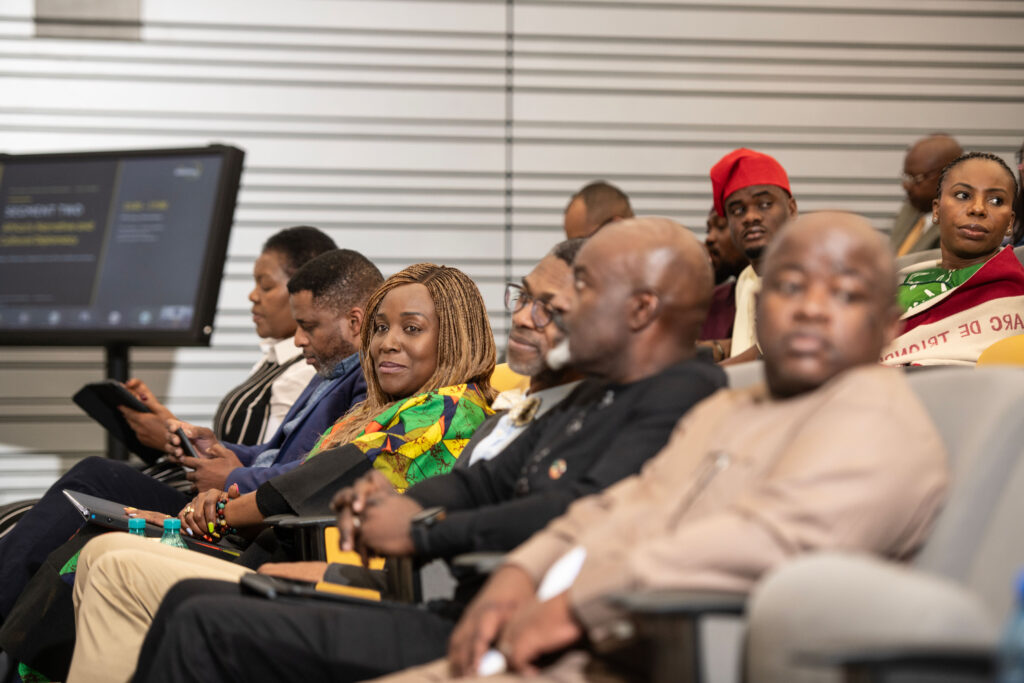
From engagements at MTN Group headquarters to the 2026 MTN Media Innovation Summit at the University of Johannesburg, business leaders, diplomats, academics and journalists examined how the media could move beyond amplifying divisions to promote understanding and social cohesion.
The discussions revealed how complex socioeconomic challenges, including unemployment, inequality and service-delivery failures, can be reduced to conflicts between nationalities, obscuring the governance issues requiring public attention.
Unverified social media claims and lists purporting to identify foreign workers can also inflame tensions and create an exaggerated impression of public hostility.
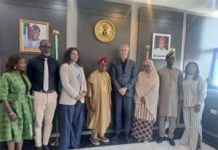
At MTN Group headquarters, Mcebisi Jonas, Chairman of MTN Group, situated the debate within Africa’s broader economic and political future during his presentation, Africa: Geopolitical and Economic Outlook and the Case for Continental Integration.
Jonas examined shifting global power dynamics, the changing international economic order and Africa’s strategic advantages, particularly its mineral resources and youthful population.
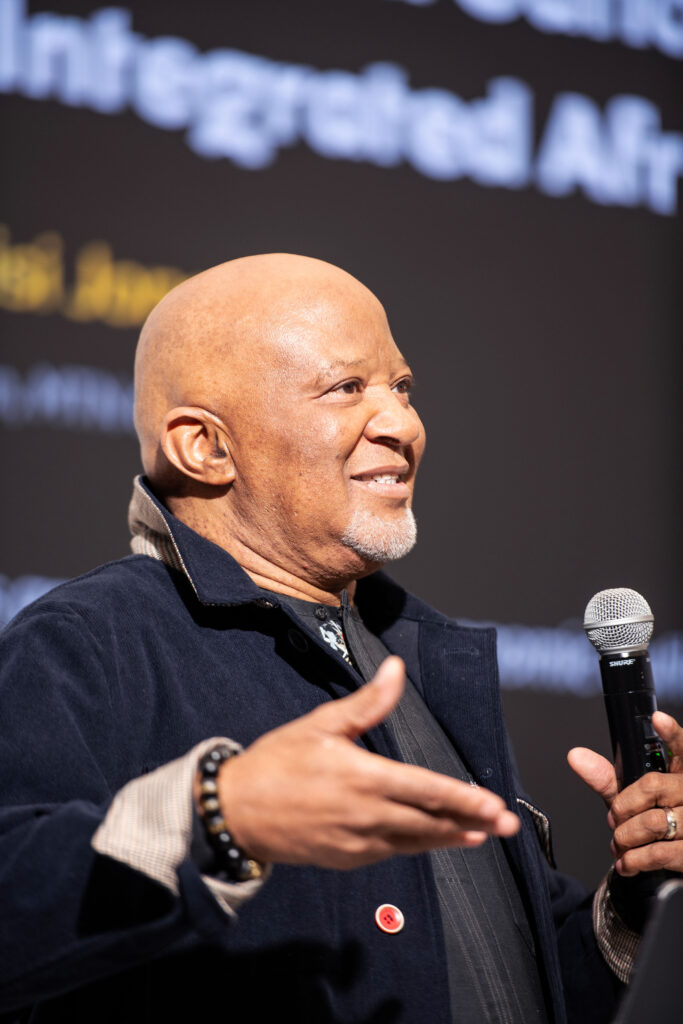
He argued that the assets would not automatically translate into prosperity without stronger institutions, investment in human capital and greater cooperation among African countries.
The MTN chair urged African nations to negotiate collectively in the global economy, warning that fragmented national interests could weaken the continent’s bargaining power.
“Before you are Nigerian, you are African,” Jonas said, emphasising the shared interests and common destiny of Africans.
He also challenged journalists to resist the influence of political and economic elites and prioritise the public interest, particularly the concerns of disadvantaged communities.
For Jonas, Africa’s development is inseparable from the success of its constituent economies. He noted that MTN’s growth was closely linked to the growth of the markets in which it operates, reflecting the importance of Africa’s economic development to businesses operating across the continent.
He further highlighted the need to retain skilled professionals within African economies, strengthen independent journalism and build the capacity required for sustainable development.
His presentation reinforced a central message of the visit: continental integration requires more than trade agreements and political declarations. It also depends on how Africans understand one another and communicate across national borders.
Amb. Ninikanwa Okey-Uche, Nigeria’s Consul-General in Johannesburg, examined the consequences of misinformation for Nigerians living in South Africa and the work of diplomatic missions.
She observed that negative sentiments often intensified around election periods, when some political actors could exploit hostility towards foreigners for political advantage.
However, she cautioned against portraying such sentiments as representative of all South Africans.
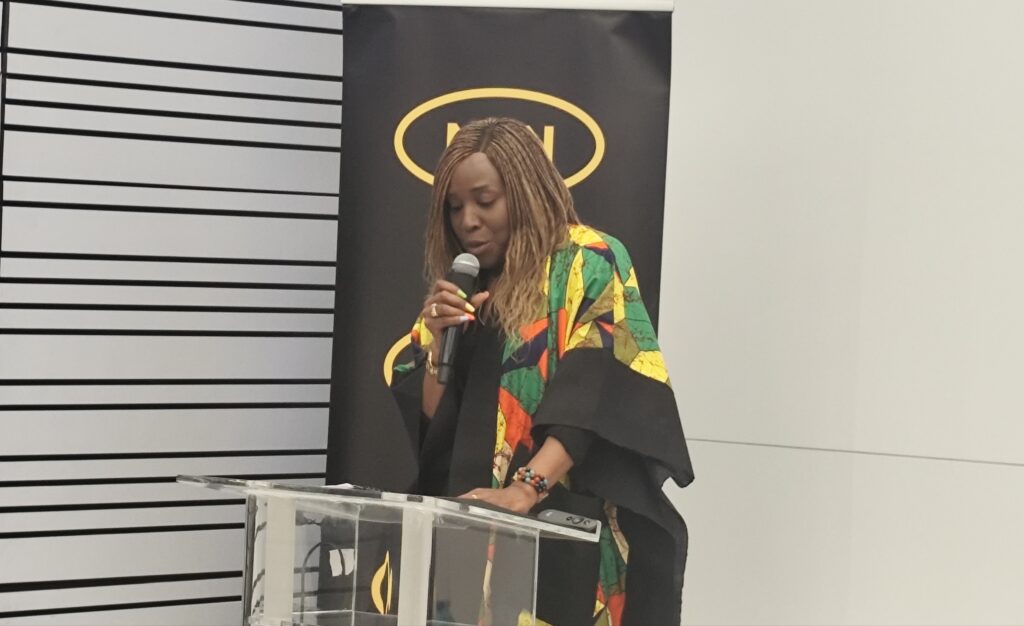
Okey-Uche urged journalists to distinguish between political rhetoric, demands by protest groups and measures with actual legal consequences.
She warned that reporting circulating claims about deadlines for foreign nationals without adequate context could give the false impression that such announcements were legally binding.
Such reporting, she explained, could embolden individuals or groups to intimidate foreigners, including those with valid immigration documents.
While affirming Nigeria’s commitment to protecting its nationals and engaging relevant authorities when they face genuine threats, she stressed that defending Nigerians should not mean portraying all South Africans negatively.
“We will look after our people,” she said, pledging to speak up for Nigerians in distress while underscoring the need to sustain efforts to build bridges between the two countries.
Her intervention highlighted the human consequences of misinformation: fear among families, increased vulnerability to hostility and additional pressure on diplomatic missions responding to claims circulating online.
She also described journalists as cultural diplomats whose reporting could educate audiences about other societies.
Okey-Uche encouraged Nigerian and South African media organisations to establish direct working relationships, enabling journalists to verify claims through trusted contacts on the ground rather than relying on viral posts.
She added that corporate support for media collaboration could help journalists tell stories that encourage young Africans to recognise opportunities across the continent.
Phathiswa Magopeni, Executive Director of the Press Council of South Africa, broadened the discussion by examining who controls Africa’s narrative and the conditions under which African journalism operates.
“The only question that matters is whether we recognise ourselves in that story,” Magopeni said, challenging media institutions to consider whether their reporting captures the complexity and humanity of African societies.
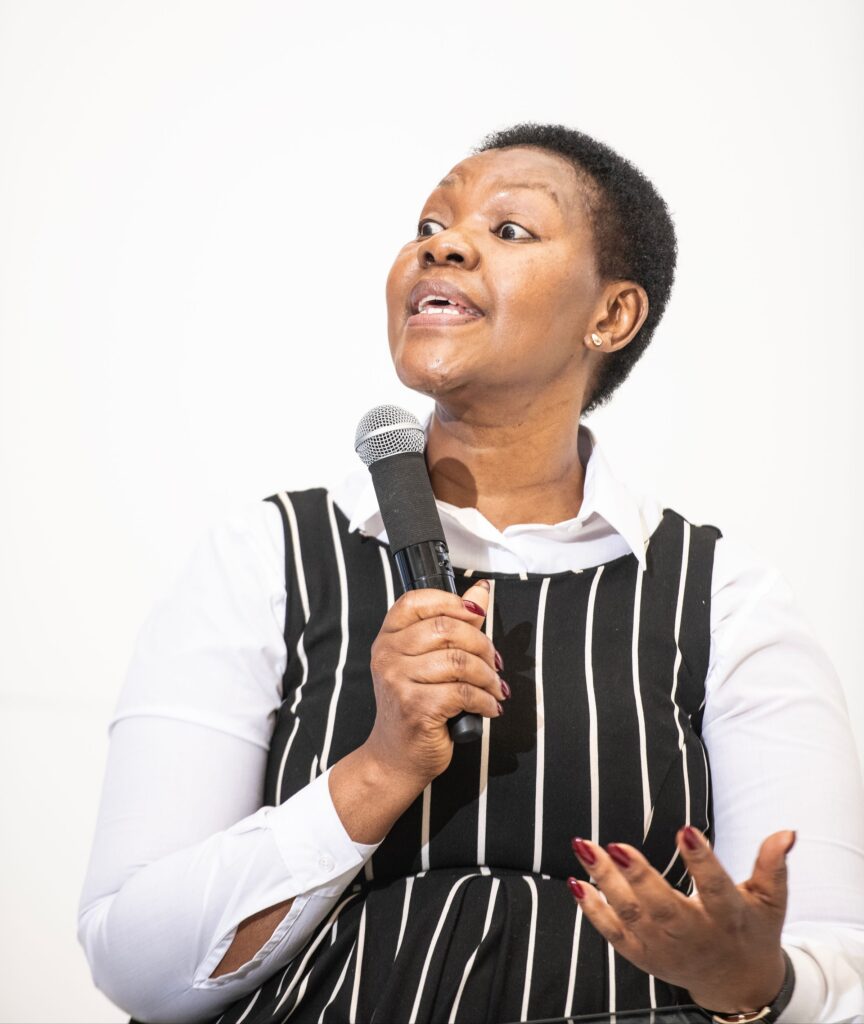
She noted that African-owned digital outlets had expanded the range of voices in public discourse but remained constrained by limited resources, dependence on external funding and distribution algorithms controlled by technology companies elsewhere.
Magopeni warned that inadequate verification and failure to interrogate the forces behind public anger could cause real harm.
She argued that coverage of anti-migrant mobilisation sometimes presented organised online activity and protest-group demands as though they represented broad public consensus.
She also criticised reports that adopted political descriptions of unrest without adequately testing them, urging journalists to investigate underlying issues such as unemployment, inequality, governance failures and electoral incentives.
Her recommendations included greater investment in African media infrastructure, cross-border fact-checking partnerships and content-sharing arrangements that would enable newsrooms to access verified reporting from other African countries.
However, she cautioned that challenging unfair external narratives about Africa must not become an excuse to shield African governments, businesses or other powerful actors from scrutiny.
“Funding African media infrastructure is not philanthropy,” she argued, describing it as an investment in the continent’s ability to be accurately understood and trusted.
The conversation continued at the University of Johannesburg during the 2026 MTN Media Innovation Summit, themed Media and Social Cohesion in a Divided World, with particular attention to Nigeria–South Africa relations.
Welcoming participants, Prof. Kammila Naidoo, Executive Dean of the university’s Faculty of Humanities, said the gathering provided an opportunity to strengthen professional relationships and deepen understanding between the two countries.
She noted that headlines, images and social media posts influence how audiences interpret international events and perceive other societies. The media, she said, could either amplify tensions or challenge stereotypes and create space for understanding.
Speakers and panellists explored how journalism could address mistrust without abandoning its responsibility to investigate wrongdoing and hold power accountable.
From diplomatic statements to people-to-people connections
Thami Mseleku, former South African High Commissioner to Nigeria, reflected on the historical bonds between the countries and the need to confront recurring sources of tension.
Recalling Nigeria’s support for South Africa during the anti-apartheid struggle, Mseleku argued that both countries should draw on this shared history to pursue a prosperous African future.
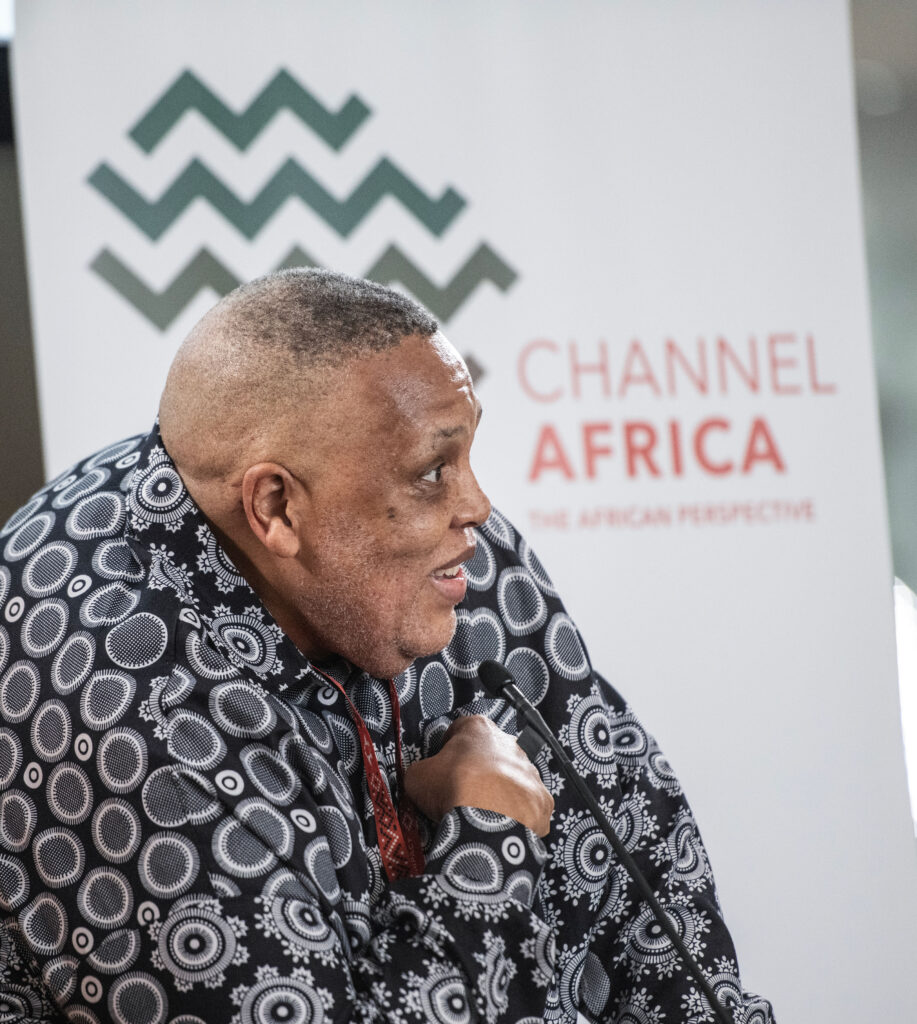
He emphasised the role of media and education in shaping what people remember, fear and believe possible. He urged journalists to report more on entrepreneurs, students, artists, scientists, athletes, filmmakers and innovators whose work connects the two countries.
He also called for journalists to visit each other’s communities and newsrooms, challenge stereotypes and tell stories grounded in facts and human experiences.
Stronger university partnerships, student exchanges, joint research and youth collaboration, he argued, could foster lasting relationships and more nuanced understandings of neighbouring countries.
The accompanying panel discussion extended the debate to media independence, funding, technology and cross-border cooperation.
Amb. Nyameko Good, Chief Director for West Africa at South Africa’s Department of International Relations and Cooperation; Nelson Muffuh, United Nations Resident Coordinator in South Africa; and Sbu Ngalwa, Chairperson of the South African National Editors’ Forum, joined Okey-Uche and Magopeni in examining the links between media narratives, public sentiment and diplomacy.
Participants stressed that technological advances, including artificial intelligence, did not diminish journalists’ responsibility to establish facts, provide context and disclose relevant methods.
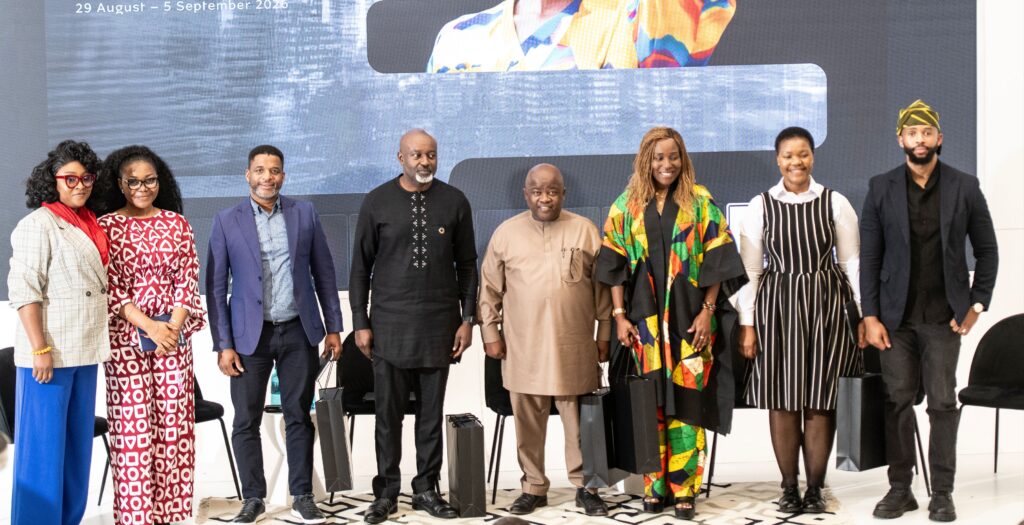
They also highlighted the need for sustainable funding models and practical arrangements for sharing verified content across African newsrooms. Such cooperation could reduce dependence on external news networks and improve African audiences’ access to credible reporting about neighbouring countries.
The engagements underscored that negative narratives cannot be countered sustainably through public relations campaigns or diplomatic statements alone.
They require consistent, credible journalism that investigates wrongdoing while documenting the everyday relationships and achievements that rarely dominate headlines.
Journalists must verify online claims, seek diverse perspectives and examine the roots of social tensions without excusing xenophobia, violence or discrimination.
Media organisations, universities, businesses and public institutions must also invest in cross-border partnerships, fellowships and exchanges that promote mutual understanding.
The South Africa visit gave MIP-5 fellows insights from business leaders, diplomats, academics and media professionals, reinforcing a central message: journalists must report difficult stories accurately and proportionately without reducing two diverse societies to opposing sides of recurring controversies.
All in all, stakeholders emphasise that Nigeria and South Africa share a profound history that transcends modern social media conflicts.
Moving forward, forging a more robust partnership will require more than just remembering the past; it will demand active cooperation, mutual accountability, and responsible media coverage that highlights shared opportunities rather than divisive headlines. (NANFeatures)
.