Stakeholders have called for stronger investment, quality healthcare and sustainable domestic financing to reduce preventable maternal and newborn deaths in Nigeria.
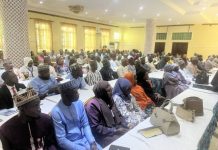
The World Health Organization (WHO), Bill and Melinda Gates Foundation and the National Assembly made the call at the national inauguration of the Incentives to Increase Maternal and Newborn Care Services Utilisation (INSEMN) initiative in the State House, Abuja on Monday.
The calls come as Nigeria continues to confront a high burden of maternal and newborn mortality, with evidence showing that demand-side measures such as financial incentives are most effective when combined with skilled health workers, functional facilities, reliable commodities and referral systems.
The INSEMN initiative seeks to encourage pregnant women to access antenatal, skilled delivery and postnatal services through incentives including Mama Kits, bags and essential items for newborns.
The WHO Representative in Nigeria, Dr Pavel Ursu, said the incentives could encourage families to seek essential maternal and newborn services, but stressed that increased attendance must be matched by quality care.
Ursu said women must find safe, respectful and timely services when they arrive at health facilities, supported by trained health workers, essential medicines and supplies and functional referral systems.
He said primary healthcare remained critical to the initiative because it brought lifesaving services closer to families, built trust and connected communities to the wider health system.
According to him, strong primary healthcare was the foundation for Universal Health Coverage (UHC) and sustained improvement in maternal and newborn health outcomes.
Ursu urged stakeholders to ensure that no woman was left behind, particularly women in rural communities, adolescent girls, women living in poverty and families in underserved areas.
He said national progress must reach every state, local government area and community.
Also, that data should identify who was being reached and where interventions were most urgently needed.
He also called for a review of maternal and perinatal deaths with lessons from such reviews acted upon quickly.
He stressed the importance of state and local ownership as well as sustainable domestic financing, saying lasting progress must be rooted in Nigerian institutions, ownership and accountability.
He also commended Nigerian health workers for their dedication, describing their service as heroic and calling for greater investment and support for the workforce.
Similarly, Dr Uche Amaonwu, Nigeria Country Director of the Gates Foundation, said the ultimate measure of the initiative should be whether more mothers and babies survived and fewer deaths from preventable causes were recorded.
Amaonwu said the initiative was important because it would encourage pregnant women to attend antenatal care, deliver safely with skilled birth attendants and receive the care they and their newborns needed.
He said the Mama Kits, bags and newborn items being introduced under the initiative would help encourage women to use health facilities and access essential services.
He said improving maternal and newborn health was central to the Gates Foundation’s work, noting that one of its aspirations was that no mother or child should die from a preventable cause.
He pledged the foundation’s continued collaboration with the Nigerian government and other partners to achieve the goal.
On financing, Sen. Ipalibo Banigo, Chairman, Senate Committee on Health (Secondary and Tertiary), said sustainable domestic financing was essential to strengthening primary healthcare and improving health outcomes.
Banigo said the National Health Insurance Act had provided for a Vulnerable Group Fund targeted at providing health insurance coverage for children under five, pregnant women, internally displaced persons, persons with disabilities and retirees.
She said budgetary provision had been made for the fund in 2023 and 2024, describing it as an important step toward expanding financial protection for vulnerable Nigerians.
The senator also said members of the 10th NASS, had pursued measures aimed at strengthening sustainable domestic health financing, including a proposal to increase the Basic Health Care Provision Fund (BHCPF) allocation from one per cent to two per cent of the Consolidated Revenue Fund.
According to her, increased funding will strengthen financing for primary healthcare, disease control, health insurance and emergency health services.
She also referred to efforts to amend the Sugar-Sweetened Beverage-related legislation and the Customs and Excise framework to generate resources for the screening, treatment and prevention of non-communicable diseases.
She stressed that for health financing to produce meaningful results, funds must not only be appropriated but also be released, disbursed, accounted for and monitored.
She pledged the commitment of the Senate Committee on Health to follow up on the utilisation of health funds to ensure that they translate into improved services and better outcomes for Nigerians.
She said the reforms under the Renewed Hope Agenda for Health were designed to improve the health and wellbeing of Nigerians, save lives and strengthen public confidence in the health system.
The News Agency of Nigeria(NAN) reports that the three speakers agreed on the need to move beyond simply increasing the number of women accessing health facilities to ensuring that the services they receive are timely, affordable, safe and of good quality.(NAN)