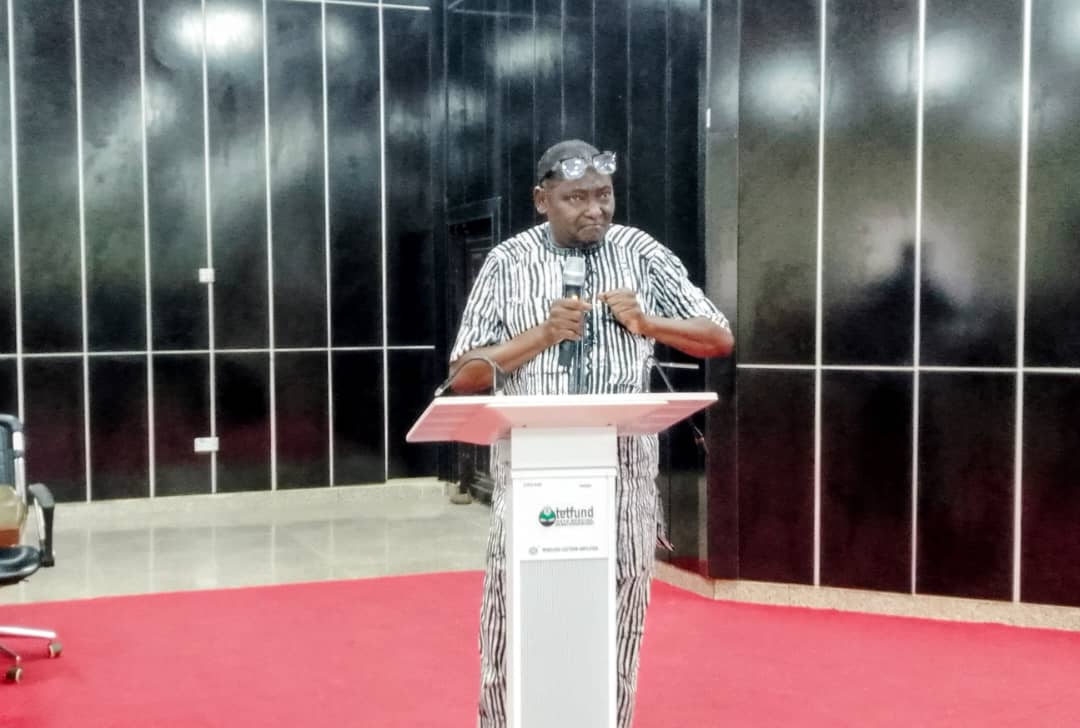
Dr Zakariya Zakari, the Chief Executive Officer (CEO) of MNI Analysis Partners, has urged African governments to embrace local skills and indigenous knowledge for sustainable development.
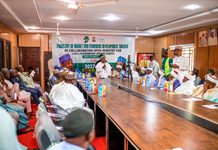
He made the call on Tuesday at the 2nd International Conference of the Faculty of Social Sciences, Federal University Lokoja (FUL), holding from Aug. 30 to Sept. 2.
The News Agency of Nigeria (NAN) reports that the conference has “African Indigenous Knowledge Systems: Decolonial Praxis for Sustainable Development” as its theme.
Zakari, who delivered the lead paper, said decades of reliance on imported knowledge had left Africa behind, and urged African governments launch an “indigenous revolution” built on local skills and knowledge systems.”
He said “for five or six decades, we tried western knowledge and we failed. Therefore, we need to return to our African Indigenous knowledge.”
He described colonialism as having “colonised knowledge” and disconnected Africans from their culture, traditions and problem-solving systems, particularly in health, education, agriculture and environmental management.
Zakari urged universities to lead the shift by reorienting young Africans to “think like Africans and dress like Africans,” and to pressure government to formulate policies rooted in indigenous values.
“Africa does not lack solutions. What we lack is the political will to trust our own knowledge,” he added.
The Keynote Speaker, Prof. Olushola Omotola of Federal University Oye-Ekiti, echoed the call, arguing that indigenous knowledge should not be treated as heritage preserved only at the margins.
He explained that African Indigenous knowledge must serve as “living infrastructure for food security, health, justice, resilience and equity.”
Omotola, therefore, challenged scholars to confront structural barriers in academia, noting that many African researchers face rejection from international journals because their work does not align with dominant ideological beliefs.
Declaring the conference open on behalf of FUL Vice-Chancellor, Prof. Gbenga Ibileye, the acting Vice-Chancellor and Provost of Postgraduate Studies, Prof. Matthew Ajayi, said the theme was topical and timely.
He described FUL as “our first green university where innovation is happening rapidly”, and pledged the management’s continued support for research that would position the university among global leaders.
The Dean, Faculty of Social Sciences, Prof. Gbenga Niyi-Omofa, described the conference as a milestone in strengthening the faculty as centre of intellectual excellence and global engagement.
The Chairman of the occasion, Prof. Salisu Usman, who is the Vice-Chancellor of Prince Abubakar Audu University (PAAU), represented by the Deputy Vice-Chancellor, Academics, Prof. Ige Abiodun, said Africa must blow its own trumpet and be developed by Africans for Africans.
Mr Farouq Yahaya, the Special Guest of Honour and Kogi Commissioner for Water Resources, who also represented Gov. Ahmed Ododo, assured participants of adequate security, noting that social sciences shape both character and national destiny.
NAN reports that more than 100 presenters from across Nigeria and beyond attended the conference.
The speakers in their closing submissions, resolved that traditional indigenous knowledge must be documented, improved upon and institutionalised.
The participants committed to advancing research and policies that focus on African indigenous knowledge as practical pathways to sustainable development.
The conference emphasised renewed call for policymakers to innovate with local skills and invest in homegrown solutions.(NAN)