The Lagos State Commissioner for Health, Prof. Akin Abayomi, said that expanding health insurance and stabilising healthcare financing were central to reducing outbound medical tourism, which he said costed Nigeria about three trillion Naira annually.
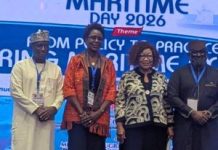
Abayomi spoke in Lagos on Saturday at the Business of Health The Conference, with the theme “Reversing Medical Tourism: Building the Infrastructure that Brings the World to Nigeria for Care.”
“Three trillion naira leaves Nigeria every year in terms of outbound medical tourism,” he said, noting that health systems worldwide were under strain as economies became more difficult
He added that the burden was especially severe for many Nigerians living at or below the poverty line.
Abayomi warned that failure to keep pace with rapid medical innovation could worsen the outflow of patients and foreign exchange.
“We are going to exacerbate outbound medical tourism because people want these innovations, and it is happening so fast,” he said.
The commissioner identified the gap between the availability of advanced healthcare facilities and patients’ ability to pay as a major obstacle.
He cited figures showing that 76 per cent of health spending in Nigeria was out-of-pocket, while less than five per cent was covered by insurance.
According to him, high treatment costs have left advanced private hospitals with low patronage, even as public facilities remain overcrowded.
To close the financing gap, Abayomi said Lagos had made health insurance mandatory for residents and businesses through an executive order domesticating the National Health Insurance Authority Act of 2022.
He added that the state planned to regulate Health Maintenance Organisation (HMO) premiums by defining rates and coverage tiers, to prevent underpricing that leaves providers unable to meet the cost of care.
“Once the demand and ability to pay for health are established, then the supply side will take over,” Abayomi said.
He explained that pooled funds would create predictable demand, encourage private investment, and improve the financial viability of healthcare providers.
“Supply follows demand. The government expects 20 million enrollees to inject about two trillion Naira into the sector,” he said.
Abayomi said stable financing could improve facilities, make advanced care more accessible, strengthen investor confidence, and support better working conditions for health workers.
“We will reverse medical tourism,” he assured.
To rebuild trust, Prof. Folasade Ogunsola, the first female Vice-Chancellor of the University of Lagos, urged healthcare professionals to strengthen accountability, collaborate across disciplines, and rebuild public trust in Nigerian healthcare.
She said Nigerians spent $465.65 million on medical tourism in the first nine months of 2024, largely seeking cancer, cardiac, kidney and orthopaedic care in India, Britain and the United States.
Ogunsola linked medical tourism to distrust in local services, shortages of specialists and equipment, strikes, and poor information about advanced care available in Nigeria.
She cited a 2016 PwC survey in which only 10 per cent of respondents trusted local healthcare to deliver desired outcomes, citing concerns about clinical competence, follow-up care and regulatory protection.
Ogunsola also warned that emigration, difficult working conditions and limited career opportunities were shrinking Nigeria’s health workforce.
She noted that the National Association of Resident Doctors reported that no fewer than 15,000 doctors had left Nigeria since 2014.
While acknowledging the pressures driving migration, she cautioned that relocating abroad did not guarantee fulfilment, as some Nigerian professionals faced underemployment, discrimination or work below their qualifications.
She urged health workers considering migration to weigh the risks, including separation from family and adjustment to different cultural environments.
To restore confidence, Ogunsola called for investment in facilities, modern equipment and qualified personnel, alongside transparent standards and better public information about specialist services.
She said healthcare workers must communicate clearly, treat patients respectfully, and accept responsibility for the quality of care.
Ogunsola urged professionals to move beyond individualism and partner with government, private businesses and other sectors on practical solutions, including insurance expansion and multidisciplinary care.
Nigeria’s challenges, she said, could become opportunities to improve local services, retain health workers and keep more healthcare spending within the country.
In her opening address, Dr Funmi Adeniyi, Convener of the Business of Health Conference, urged healthcare practitioners and investors to build strong operational structures, standardise clinical care, and deploy domestic capital to reverse medical tourism.
She said maintaining high institutional standards was the most effective strategy for curbing brain drain and attracting both local and international patients.
“For too long, the discussion around Nigerian healthcare has been dominated by deficiencies: insufficient infrastructure, limited specialist services, financing gaps, talent migration, and the number of Nigerians who seek care abroad.
“That is why we are asking a more productive national question: What can we build here?”.
Sharing her experience, Adeniyi said introducing standard operating procedures, key performance indicators and structured staff benefits transformed her practice into a sustainable facility.
“I had barely spent three months on maternity leave when I realised the need to create a better system. I decided to create structures, SOPs and KPIs, and today, everyone has access to paid leave and benefits,” she said.
Adeniyi said she had observed a positive shift in dentistry, with foreign expatriates and diaspora clients increasingly receiving treatment locally under international insurance coverage.
“Over the past two years, I have observed a change in dentistry.
“Today, patients covered by international health maintenance organisations are increasingly willing to receive treatment here, and these organisations are paying us,” she said.
She compared the potential growth of Nigeria’s healthcare sector to the expansion of telecommunications over the past two decades, arguing that sustained institution-building could make Nigeria a global healthcare hub within 20 years.
Citing reports from the International Finance Corporation, Adeniyi said Nigeria needed up to 650,000 hospital beds, 500,000 nurses, 300,000 community health workers and 90,000 physicians to meet national needs.
She noted that Nigerians spend about $11 billion out-of-pocket on healthcare annually, stressing the need to pool domestic resources and attract venture capital for infrastructure.
Adeniyi cited Dr Stella Adadevoh’s response to the Ebola outbreak and Prof. Olikoye Ransome-Kuti’s public health reforms as evidence of Nigeria’s capacity for excellence.
“We have done it before, and we can do it again. We must commit ourselves to building here, building now, and building big,” she said.
NAN reports that Dr Dami Adeniyi moderated a panel featuring Mr Chidi Okoro and Prof. Folasade Ogunsola, centred on “Marketing healthcare @ scale”.
There was Goodwill Message by Dr Njide Ndili, President, Healthcare Federation of Nigeria.
Dr Omiete Charles-Davies, was also a Guest Speaker and urged medical practitioners to think business of their practices.