The Kwara State Hospitals Management Board has introduced faster and more regular payments to pharmaceutical vendors to ensure steady drug supplies.
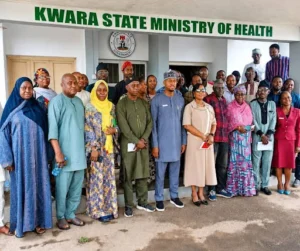
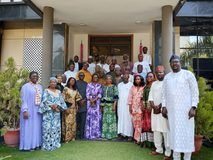
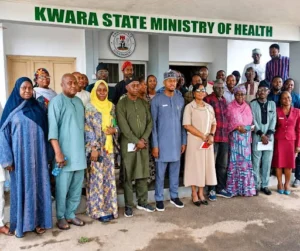
Dr Abdulraheem Malik, Executive Secretary of the Board, disclosed this during a stakeholders’ meeting in Ilorin on Sunday.
Malik said the initiative aimed to ensure essential medicines and consumables remained available and affordable across state-owned hospitals.
He said the meeting was convened to strengthen collaboration with suppliers and address gaps affecting the state’s pharmaceutical supply chain.
The executive secretary commended pharmaceutical companies for sustaining supplies despite prevailing economic pressures and rising operational costs.
Malik disclosed that Gov. AbdulRahman AbdulRazaq had approved expedited payments to vendors supplying medicines under the Essential Drugs Programme (EDP).
“This is the reason we are able to pay for drugs and consumables supplied at regular intervals.
“Whatever product you supply to the Essential Drug Programme, we will ensure that it is paid for.
“We want to build a system where suppliers can have confidence in doing business with us,” Malik said.
He said the state had deliberately strengthened EDP’s financial independence and operational efficiency to prevent patients from being stranded.
Malik also appealed to pharmaceutical vendors to offer competitive prices and concessions to the programme to make medicines more affordable.
“Affordable medicines will encourage patients to patronise hospital pharmacies instead of going to open markets,” he added.
Mrs Lovette Oladele, Project Manager of EDP, said the meeting sought to strengthen relationships between suppliers and the programme.
Oladele said discussions also focused on addressing existing challenges and developing a more efficient medicine procurement and distribution system.
Mr Isaac Salami, representing Sam Pharmaceutical Company, commended the Board and EDP for the progress recorded in their operations.
Salami described the current payment and supply arrangement as a significant improvement compared with previous years.
He expressed optimism that sustained collaboration between the Board and pharmaceutical companies would further improve medicine availability across Kwara.
Salami said drug stock-outs had historically forced patients in public hospitals to purchase medicines outside facilities at higher prices.
He said prompt payments and improved pricing would help keep hospital pharmacies stocked while making treatment more affordable for residents. (NAN)