Médecins Sans Frontières (MSF), has raised concerns over the increasing cases of diphtheria in northern Nigeria, calling for sustained investment in routine immunisation and improved access to vaccines to prevent further outbreaks.
Also known as Doctors Without Borders, the organisation said this in a statement signed by Abdulkareem Yakubu, Field Communication Officer (Press), highlighting the growing burden of the disease and the need for urgent vaccination interventions.
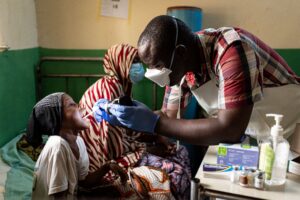
MSF said its supported facilities in Gusau, Zamfara state, recorded more than 671 admissions within one month, beginning from Oct. 6, following the state government’s declaration of a diphtheria outbreak in September.
It said most of the admitted patients were children, with four out of every five cases involving unvaccinated children, highlighting gaps in routine immunisation coverage.
The organisation said it had also supported vaccination campaigns in Kano and Sokoto States as part of efforts to contain the spread of the disease.
According to the organisation, two rounds of vaccination conducted in Kano in April and June resulted in the administration of more than 835,000 vaccine doses to children across the state.
Similarly, in Sokoto, MSF supported two vaccination rounds between February and April, reaching 49,018 children below the age of 15.
The organisation, however, expressed concern over the inadequate supply of vaccines in Zamfara, where only 25,000 of the 90,000 doses required for a reactive vaccination campaign had been supplied.
It warned that the shortfall had left approximately three out of every four children unreached by the vaccination exercise.
MSF said it was working with government health authorities to secure additional vaccine doses and implement a large-scale vaccination campaign to protect more children in the state.
The organisation stressed that routine immunisation remained one of the most effective ways of preventing diphtheria, particularly in communities where vaccination coverage was low.
It noted that rural communities in northern Nigeria were particularly affected by poor immunisation coverage, making children more vulnerable to preventable infectious diseases.
MSF emphasised the need for sustained, long-term investment in routine immunisation to strengthen community immunity and prevent future outbreaks.
It also called on vaccine manufacturers and global health partners to urgently increase the production of diphtheria antitoxin and ensure a reliable supply to meet critical treatment needs in Nigeria and other countries experiencing rising cases.
The organisation said improved vaccine availability, stronger routine immunisation and adequate treatment supplies were essential to protecting vulnerable children and preventing further loss of lives.(NAN)