The Teachers Registration Council of Nigeria (TRCN) says it has uncovered 250 fake teaching certificates during a recruitment exercise, prompting the rollout of Quick Response (QR)-coded certificates and strict digital verification.
The Chief Executive and Registrar of TRCN, Dr Ronke Soyombo, said the move was to flush out quacks from Nigerian classrooms.
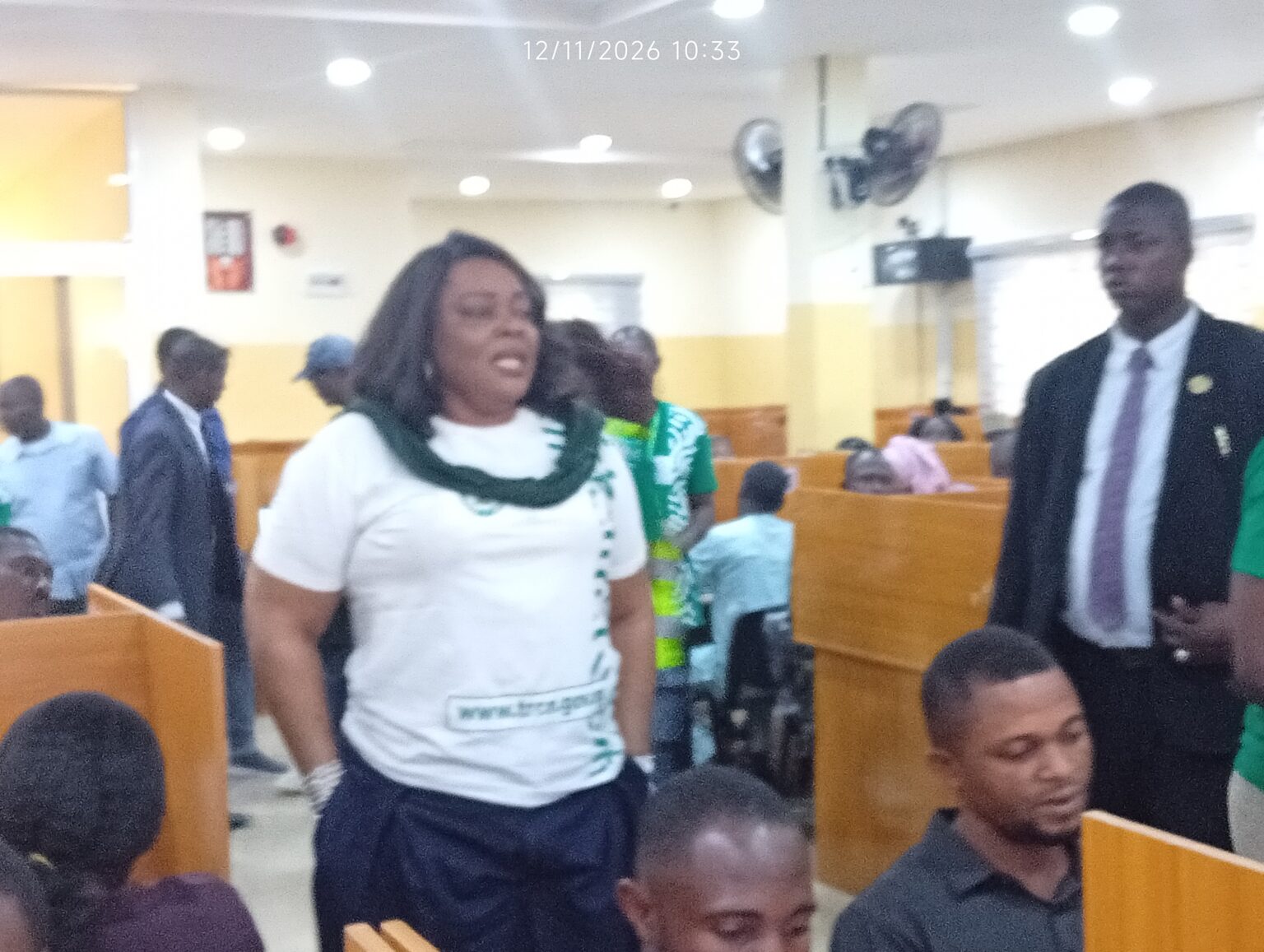
Soyombo disclosed this while monitoring the ongoing computer-based Professional Qualifying Examination (PQE) at the Redeemer’s TEAP International School, Abuja, on Thursday.
She revealed that the council made the discovery during a recruitment process where an unidentified state sought to employ about 1,000 teachers.
She warned that forged credentials posed a grave threat to the nation’s education standards.
To curb the circulation of fake certificates, she explained that TRCN now issues certificates embedded with QR codes that link employers directly to the council’s portal for instant authentication before recruitment.
She added that the council had equally tightened examination integrity by deploying randomised, qualification-differentiated questions so that PhD, first-degree and Nigeria Certificate in Education (NCE) holders sitting beside one another cannot engage in malpractice.
Beyond weeding out unqualified personnel, Soyombo noted that the Federal Government has set a strict deadline to ensure 75 per cent of teachers are licensed by the end of 2026, and 100 per cent certified before entering any classroom by December 2027.
Commending the Minister of Education, Dr Tunji Alausa, for backing the mandatory certification drive, the registrar stressed that a first-class degree alone does not qualify an individual to teach without proven competence in pedagogy, child safeguarding, and digital literacy.
Soyombo also disclosed that previous PQE assessments exposed widespread weaknesses in mathematics among teachers nationwide, prompting the council to design targeted training interventions with relevant education agencies.
She noted that the council’s digital reforms had boosted registration from 13,000 in May 2025 to 26,000 in November 2025, with 21,000 candidates currently writing the 2026 examination nationwide and expecting digital results within one week.
Soyombo urged candidates to shun malpractice and fraudulent shortcuts, reiterating that TRCN would sustain its digital clampdown to protect Nigerian schoolchildren and elevate teaching standards.
Some of the candidates who spoke with the News Agency of Nigeria (NAN) described the computer-based exercise as well-coordinated.
One of them, Ms Celestina Adejo, said that the questions sharpened her knowledge of child safeguarding and ICT security.
A Nigerian Navy Education Officer, Ebi Mustapha, and a teacher with 27 years of classroom experience, Esther Ali, said they sat for the examination to validate their professional competence, urging other practitioners to get certified.
Another candidate, Benjamin Edet, however, recommended that examination slips should directly display assigned centres and schedules to eliminate delays associated with WhatsApp groups and external links.
Meanwhile, the CBT Coordinator and ICT Administrator at the school, Mrs Ann Ogbu, said the centre deployed a 60KVA solar system, a 250KVA backup generator, and 20 standby computers out of its 220 systems to guarantee hitch-free testing.
Ogbu said the Garki-based facility, which was expanding to 320 computers, had conducted successful demonstration tests with TRCN’s technical team to ensure seamless server connectivity throughout the exercise.
She added that hosting major examinations for TRCN, West African Examination Council, National Examination Council and the Ministry of Foreign Affairs showcased the school’s modern ICT infrastructure and commitment to quality education. (NAN)