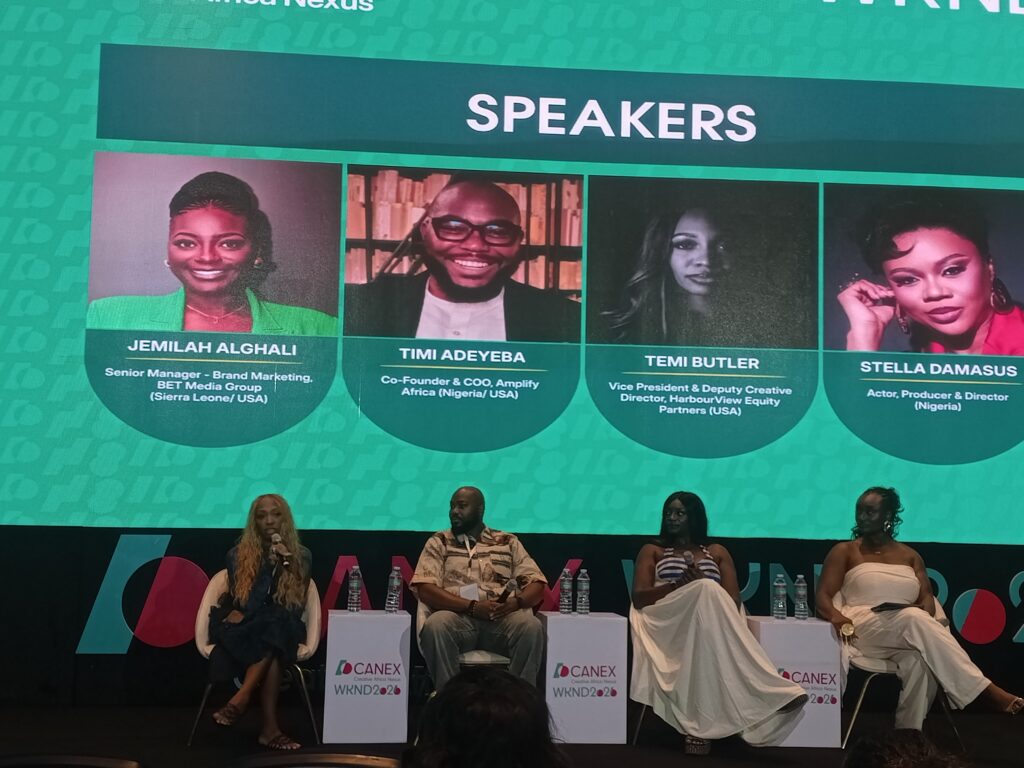
Experts in the creative industry have called for stronger investment infrastructure, transparent business operations and ownership of creative works to deepen diaspora participation in Africa’s economic development.
They made the call during a conversation session themed “Beyond Borders: The Diaspora’s Role in Shaping Africa’s Future” at the Creative Africa Nexus (CANEX) WKND 2026 on Saturday in Lagos.
Timi Adeyeba, Co-founder and Chief Operating Officer of Amplify Africa, said lack of trust and clear investment pathways remained major obstacles to diaspora participation in African businesses.
Adeyeba said many Africans in the diaspora were interested in returning home to invest, establish partnerships and explore business opportunities but often lacked adequate information about the processes involved.
According to him, cultural connection and understanding should precede economic engagement, stressing that diaspora professionals needed to understand local markets, business structures and opportunities.
He said the media had also contributed to misconceptions about doing business in Africa, making it necessary for businesses and institutions to communicate their operations and investment opportunities more effectively.
Adeyeba cited interest generated by the Dangote Refinery’s initial public offering (IPO), saying thousands of diaspora investors expressed interest in participating.
He said the experience demonstrated that diaspora participation could increase when investment opportunities were credible and accessible.
Adeyeba, however, stressed that interest alone was insufficient without reliable financial platforms and structures that could translate inquiries into actual investments.
He urged African businesses to strengthen their operational systems and infrastructure to encourage investment and build lasting partnerships.
Jemilah Alghali, Senior Manager, Brand Marketing, BET Media Group, called for stronger ownership of African cultural products and intellectual property.
Alghali said African creatives needed to establish clearer cultural identities and standards to protect their works from external ownership.
She cited Caribbean dancehall as an example of a music culture supported by established structures and clear distinctions in its artistic identity.
According to her, African creatives should similarly define and own their cultural expressions to prevent others from controlling their narratives.
Timi Adeyeba also emphasised the need for indigenous distribution platforms to enable African creatives to earn more from their intellectual property.
He said dependence on foreign platforms and unfavourable licensing agreements could limit the financial benefits creators received from their works.
Temi Butler, Vice President and Deputy Creative Director, HarbourView Equity Partners, said African artistes should prioritise ownership from the beginning of their careers.
Butler said ownership could provide creatives with greater flexibility to license, sell portions of their catalogues and reinvest in new projects.
She said growing global interest in African music and emerging markets presented opportunities for artists and investors to establish stronger partnerships.
Butler also encouraged diaspora professionals to share expertise with creatives on the continent to support career development and industry growth.
She said meaningful collaboration required professionals to engage directly with local communities and exchange knowledge.
They also highlighted opportunities in short-form content, sports, digital media, film and music, urging African creatives to understand their industries and develop authentic stories capable of reaching international audiences.
They stressed that stronger institutions, transparent business structures and knowledge sharing would help transform diaspora cultural connections into sustainable economic participation. (NAN)www.nannews.ng