Well-being
Some residents of Lokoja, the Kogi capital, have called for greater empathy, supportive relationships and increased mental health awareness to promote well-being.
They made the call in separate interviews with the News Agency of Nigeria (NAN) on Saturday in Lokoja to commemorate the 2026 World Mental Health Day.
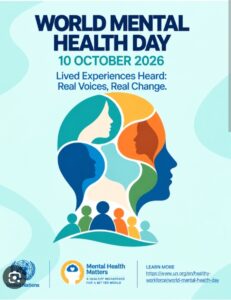
The day is observed annually on Oct. 10 to raise awareness and mobilise support for mental health.
The 2026 theme, “Lived Experiences Heard: Real Voices, Real Change,” highlights the importance of listening to people with mental health experiences and involving them in decisions affecting their care.
Mrs Grace Adejoh, a civil servant residing in Lokoja, said communication could significantly affect people’s emotional well-being and sometimes cause lasting psychological distress.
Adejoh recounted an unpleasant experience during a job-related visit that affected her mood for hours before she regained her composure.
She said people should recognise that individuals responded differently to situations because of their backgrounds, experiences and personal circumstances.
“We should be careful about our choice of words when talking to people,” she said.
She added that seemingly harmless remarks could deeply hurt others.
Adejoh called for increased mental health awareness in workplaces, families and communities to help people recognise emotional distress and identify when professional support was necessary.
She expressed concern that ignorance and inadequate understanding of mental health could prevent affected individuals and their families from recognising distress and seeking appropriate assistance.
Mr Bayo Akingbade, a health worker, described mental health as encompassing emotional, psychological and social well-being, which influenced how people thought, felt, managed stress, related with others and made decisions.
Akingbade said mental health was not overrated but often misunderstood and neglected, leaving many people to suffer silently because of societal expectations, financial pressure and relationship challenges.
He identified fear of judgment as another factor preventing people from openly discussing their mental health struggles.
Akingbade recommended expressing feelings, managing stress, getting adequate rest, maintaining healthy relationships and engaging in physical activities to promote mental well-being.
He urged society to create an environment where people could discuss their struggles openly without stigma, stressing that mental health was as important as physical health.
Mr Unekwu Peters, a data analyst, described mental health as having peace of mind in spite of challenges arising from society, the environment and personal circumstances.
Peters said factors such as climate, population and lifestyle could contribute to mental health challenges, adding that increased awareness had encouraged more discussions about the subject.
He noted that mental health conversations helped people recognise emotional difficulties that might previously have been overlooked or misunderstood.
Mrs Rahmat Ahmed, a business woman, said mental health was not overrated but cautioned against using such discussions to excuse harmful behaviour or avoid personal responsibility.
Ahmed said mental well-being influenced how people thought, managed emotions, handled stress, maintained relationships and made decisions.
She recommended healthy habits, adequate rest, regular exercise, balanced meals, supportive relationships and effective stress management to maintain mental well-being.
Ahmed encouraged people to establish healthy boundaries, accept life’s challenges, express their feelings and seek professional help when emotional distress persisted or disrupted daily activities.
“When my mental health is being challenged, I remind myself that I am human, and I deserve peace, rest and understanding too,” she said.
She added that reflecting, speaking with trusted people and drawing strength from faith helped her cope with difficult experiences.
Ahmed stressed that protecting one’s mental health was not selfish but necessary for maintaining emotional balance and functioning effectively.
NAN reports that the respondents’ views align with the 2026 theme, highlighting the importance of listening to personal experiences when developing mental health support systems.
World Mental Health Day provides an opportunity for individuals, families, communities and policymakers to address stigma, encourage open conversations and strengthen access to appropriate mental health care.
(NAN)