NHRC urges MDAs to own human rights action programme
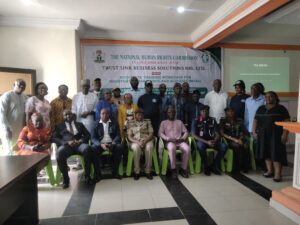
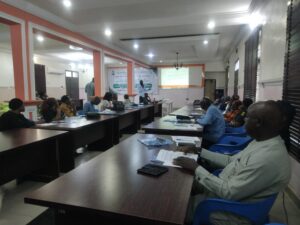
Training
The National Human Rights Commission (NHRC) has urged Ministries, Departments and Agencies (MDAs) to take ownership of the National Action Programme (NAP) for Human Rights, 2024–2028.
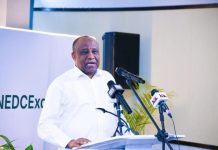
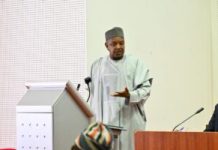
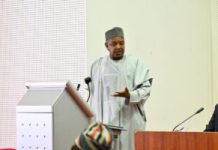
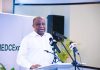
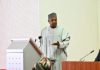
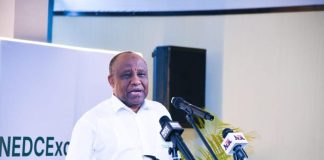
The Executive Secretary of the commission, Dr Tony Ojukwu, made the call at a two-day training workshop for MDA desk officers on Monday in Lokoja.
Represented by the Kogi Coordinator of NHRC, Dr Abdul Oyedokun, Ojukwu, said successful implementation of the programme depended on the commitment and ownership of government institutions.
He said the NAP was not the responsibility of NHRC alone but a national implementation framework requiring the participation of every MDA.
According to him, every MDA is a human rights institution because its policies, programmes, budgets and daily operations could either protect rights or contribute to violations.
Ojukwu urged MDAs to integrate a human rights-based approach into planning, policy formulation, budgeting, legislation, service delivery, monitoring and evaluation.
He said the NAP provided an opportunity for Nigeria to move from commitments and policies to practical implementation, measurable results and institutional accountability.
“Human rights are interconnected with virtually every aspect of governance and development,” Ojukwu said.
He added that the rights to education, healthcare, food, housing, work, security, equality, justice and a clean environment were not abstract principles.
Ojukwu urged MDAs to protect vulnerable groups, monitor progress and ensure access to justice and remedies.
He emphasised that while NHRC would provide coordination and oversight, implementation remained the responsibility of individual institutions.
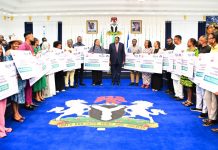
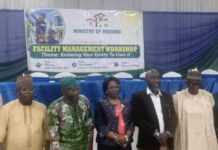
Speaking on the training, Oyedokun said it brought federal and state MDAs together to strengthen their capacity to report human rights issues and identify challenges in NAP implementation.
He said the exercise was designed to translate human rights promises into practical actions that would improve the lives of ordinary citizens.
“It is not just about saying there is a right to water, food; this is a call to action, bringing everybody in the same room to identify their role,” Oyedokun said.
He said participating officers should serve as resident human rights officers within their MDAs by identifying gaps, documenting progress and ensuring institutional responsibilities were implemented from a human rights perspective.
Oyedokun cited education as an example, saying officers should document gaps in access to education, classrooms, teachers and provisions for children and out-of-school children.
He said the officers should periodically report progress and challenges to NHRC to support national discussions on whether the country was advancing in human rights implementation.
El-hadi Etudaiye, NHRC focal person, said the timing of the training was important as MDAs needed to take ownership and demonstrate commitment to NAP implementation.
Etudaiye said the training would enable MDAs to mainstream human rights into their daily policies, programmes and operations.
He added that introducing reporting as a tool for accountability and learning would help institutions track their obligations, identify gaps and improve implementation of the programme.
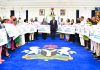
The News Agency of Nigeria (NAN) reports that officers from various MDAs, including paramilitary agencies, attended the training.(NAN)