Group urges National Assembly to withdraw Foreign Aid Regulation Bill – News Agency of Nigeria
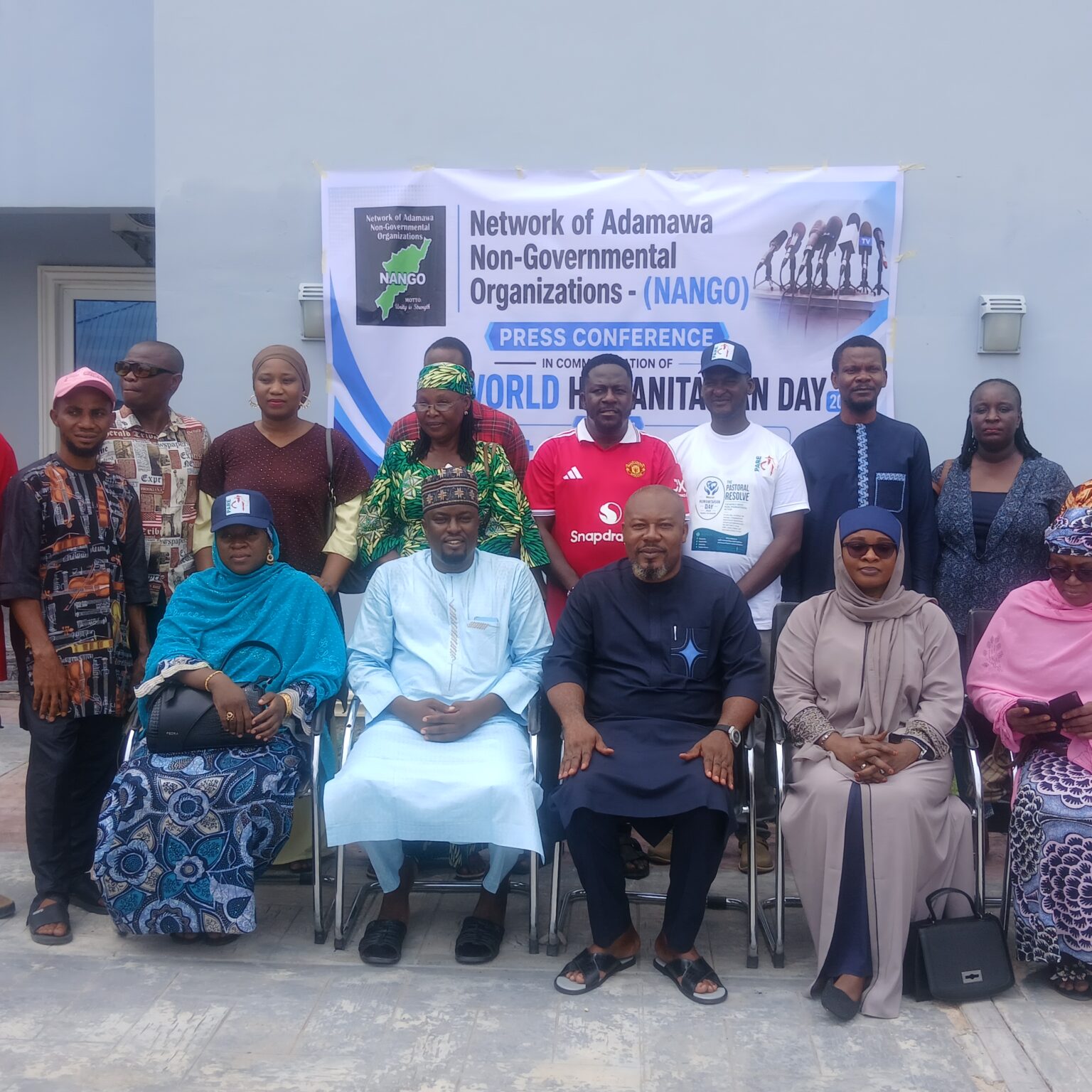
The Network of Adamawa Non-Governmental Organisations (NANGO) has urged the National Assembly to withdraw the Foreign Aid (Regulation, Transparency and Disclosure) Bill, 2026.
Mr Peter Egwudah, Chairman of NANGO, made the call on Friday at a press briefing to commemorate the 2026 World Humanitarian Day in Yola.
Egwudah expressed concern that the proposed legislation and related bills could undermine humanitarian operations, civic space and the independence of civil society organisations.
“We urge the National Assembly leadership and members to withdraw or discontinue consideration of the Foreign Aid Regulation Bill and related CSO/NGO regulatory bills.
“The proposed measures could create bureaucratic obstacles, duplicate existing regulatory frameworks and weaken the operational capacity of humanitarian organisations,” he said.
According to him, such provisions could affect organisations providing humanitarian, development, health, education and protection services to vulnerable populations.
The chairman said humanitarian needs remained acute in conflict-affected and crisis-hit areas, where CSOs continued to provide emergency relief and support vulnerable communities.
He said local and national organisations were often the first responders and among the last to leave crisis-affected communities.
Egwudah urged the Federal Government and relevant authorities to protect humanitarian workers and civilians by ensuring safe, rapid and unhindered humanitarian access.
He called for an end to impunity for the killing and kidnapping of aid workers and citizens, in accordance with international humanitarian law.
The NANGO chairman appealed to donors, UN agencies and international partners to strengthen localisation through increased direct, flexible and quality funding.
He also urged development partners to support capacity building, leadership development and equitable partnerships that transfer knowledge, expertise and decision-making powers to national actors.
Egwudah called for genuine and inclusive consultations with civil society organisations and affected communities to promote sustainable humanitarian interventions.
He said protecting humanitarian workers and empowering local communities remained a shared responsibility of government, donors, UN agencies, INGOs, NNGOs and communities.
“The time for concern is over; now is the time for consequence and decisive action,” he said.
Egwudah said the 2026 observance, themed “Strengthening Global Solidarity and Empowering Local Communities,” highlighted the need to protect aid workers and empower local communities.
He paid tribute to humanitarian and aid workers who risked their lives daily to provide critical assistance to people affected by crises.
He also honoured humanitarian workers who lost their lives in the line of duty and expressed solidarity with their families and affected communities.
The News Agency of Nigeria (NAN) reports that World Humanitarian Day is observed globally on Aug. 19 to honour humanitarian workers and promote their safety and protection(NAN)