Diplomacy
The HEDDA’s Diplomatic Career Mentorship and Leadership Centre (HDCMLC) has called for stronger diplomatic capacity in Africa to enhance the continent’s engagement in public and digital diplomacy.
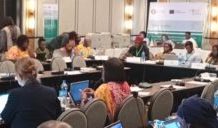
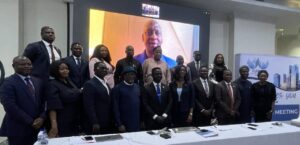
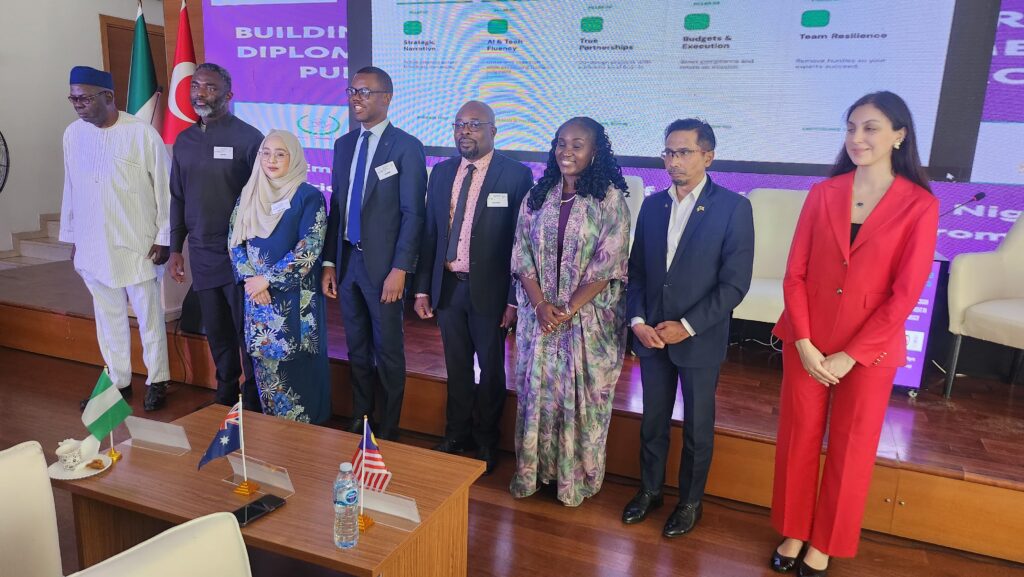
The call was made at the third edition of HEDDA’s Diplomatic Career Conference 2026 held at the Embassy of the Republic of Türkiye on Friday in Abuja.
The conference, themed “Building a Stronger Africa through Diplomatic Capacity Development in Public and Digital Diplomacy”, brought together diplomats, young professionals and other stakeholders to examine the changing nature of diplomatic engagement.
The Ambassador of the Republic of Türkiye to Nigeria, Mehmet Poroy, said public diplomacy was fundamentally about building relationships and understanding among people.
Poroy, represented by Serenay Arıkan, Third Secretary at the embassy, said that although digital technologies had transformed communication, the fundamental purpose of diplomacy remained the promotion of mutual understanding and cooperation.
“At the heart of public diplomacy are people. It is about being present, listening, engaging and building relationships that extend beyond official channels,” he said.
The ambassador said Türkiye’s diplomatic engagement with Africa was built on mutual respect, equal partnership and shared prosperity.
He added that Nigeria and Türkiye’s relations should be strengthened not only through institutional cooperation but also through closer ties between their people.
In her keynote address, the Australian High Commissioner to Nigeria, Leilani Bin-Juda, said digital technology had changed the way diplomats communicated, expanded their reach and influenced public understanding of foreign policy.
Bin-Juda said digital diplomacy offered embassies opportunities to explain foreign and trade policies, showcase development and investment opportunities, engage local communities and reach audiences directly.
She, however, cautioned that digital engagement required sound judgement, credibility and the ability to verify information before sharing it.
“Digital diplomacy requires conversation, not just broadcasting. A successful and effective diplomat online must listen and respond as well as transmit,” she said.
The High Commissioner identified relationship-building, protection of credibility and evaluation of diplomatic efforts as key considerations in the use of digital platforms.
She said the speed of online communication required diplomats to respond promptly without compromising accuracy and reliability.
According to her, the increasing number of voices shaping public discourse means that diplomats must distinguish evidence from claims, verify sources and correct errors when necessary.
Bin-Juda also highlighted the growing role of artificial intelligence in diplomatic practice, saying it could support translation, audience analysis, document drafting and content production.
She warned, however, that the technology also made it easier to produce misinformation, synthetic images, cloned voices and fabricated materials.
“Technology is not the objective of public diplomacy. Trust, relationships and influence remain key. Technology changes the means by which we pursue them,” she said.
Also speaking, the High Commissioner of Malaysia to Nigeria, Aiyub Omar, described public diplomacy as direct engagement between diplomats and people of host countries beyond conventional government-to-government relations.
He said digital platforms had widened the scope of diplomatic communication, allowing countries to build understanding, trust and friendship directly with foreign audiences.
“In the past, diplomacy was quiet conversations between governments held tightly behind closed doors. Today, the doors have been blown wide open,” he said.
Omar said public and digital diplomacy could help countries influence relationships with host nations by building trust and understanding among their citizens.
For his part, the Ambassador of Burundi to Nigeria, Edouard Nduwimana, said strengthening Africa’s diplomatic capacity required well-trained diplomats capable of effectively representing their countries and advancing the continent’s common interests.
He said the development of young people’s diplomatic skills was particularly important as public and digital diplomacy continued to transform international engagement.
“A stronger Africa requires not only strong political leadership but also well-trained diplomats who can effectively represent their countries, communicate Africa’s priorities and defend our common interests on the international stage,” he said.
Nduwimana said digital diplomacy provided African countries with opportunities to tell their own stories, promote their achievements and correct misunderstandings about the continent.
He urged participants to translate the knowledge and experience gained at the conference into practical actions in their respective countries and diplomatic missions.
Earlier, the convener of the conference and founder of HDCMLC, Hope Ayabina, said the theme was informed by Africa’s growing global relevance and the need for African diplomats to tell the continent’s stories more effectively.
“Africa is a growing voice and the world is evolving. Africa’s diplomats need to tell more of Africa’s stories, and today a great deal of that storytelling happens online,” she said.
Ayabina said the conference was not intended to encourage diplomats to disclose confidential information online but to equip them with the skills to participate effectively in the digital space.
According to her, the conference is designed to provide career-focused diplomatic learning opportunities for young people and professionals interested in the field.
The News Agency of Nigeria (NAN) reports that the event also featured a panel session where young career diplomats engaged with experienced diplomats to deepen their knowledge and understanding of diplomatic practice.(NAN)