The World Health Organization (WHO) says six proven climate and health interventions could save 1.6 million lives annually and generate trillions of dollars in economic and fiscal benefits.
WHO said this in a statement on Wednesday, estimating that scaling up the interventions globally could deliver 3.9 trillion dollars in annual economic welfare benefits and 5.4 trillion dollars in fiscal gains.
It said the report, titled Global Benefits and Costs of Prioritised Actions on Climate Change and Health, also estimated that the measures could prevent 16.7 billion tonnes of carbon dioxide emissions annually.
According to WHO, the interventions can prevent one in every 40 deaths globally while helping countries reduce carbon emissions and strengthen their economies.
“The six recommended interventions include heat-health warning systems, climate-resilient drinking-water services, basic sanitation, hygiene and handwashing facilities, cleaner household cooking and heating fuels, and efficient fossil fuel pricing policies,” it said.
According to the report, every dollar invested in five of the interventions can generate an estimated 24 dollars in benefits, with greater returns expected in low- and middle-income countries.
“Heat-health warning systems are projected to deliver the highest return on investment among the interventions, generating an estimated 835 dollars in benefits for every dollar invested.
“The report further identified efficient fossil fuel pricing policies, including removing inefficient subsidies and appropriately taxing fossil fuels, as having the greatest overall impact,” it said.
The statement said the report estimated that the policies could prevent 1.2 million deaths annually, generate three trillion dollars in economic welfare benefits and deliver 5.4 trillion dollars in fiscal gains.
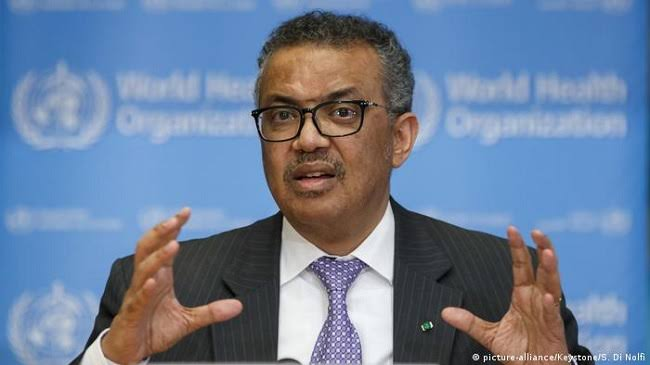
WHO Director-General, Dr Tedros Ghebreyesus, said the climate crisis was also a health crisis, but much of its impact could be prevented through existing and affordable interventions.
“The climate crisis is a health crisis, but much of the harm it causes can be prevented with tools we already have,” he said.
Ghebreyesus said scaling up proven interventions could save millions of lives, particularly in countries with the greatest needs.
He urged governments to prioritise health protection as they prepared for the next round of climate negotiations.
According to him, the report, released ahead of COP31, called on governments, development partners and financing institutions to invest in the interventions to address climate-related health risks.
He emphasised the need to implement the measures across health and other sectors to anticipate, prevent and reduce the health consequences of climate change.
The WHO director-general said the assessment examined health, environmental, economic and fiscal impacts, including changes in mortality, greenhouse gas emissions, productivity and government revenue.(NAN)