The Russian Federation has pledged to further strengthen its partnership with Africa to advance the sovereignty between the two parties.
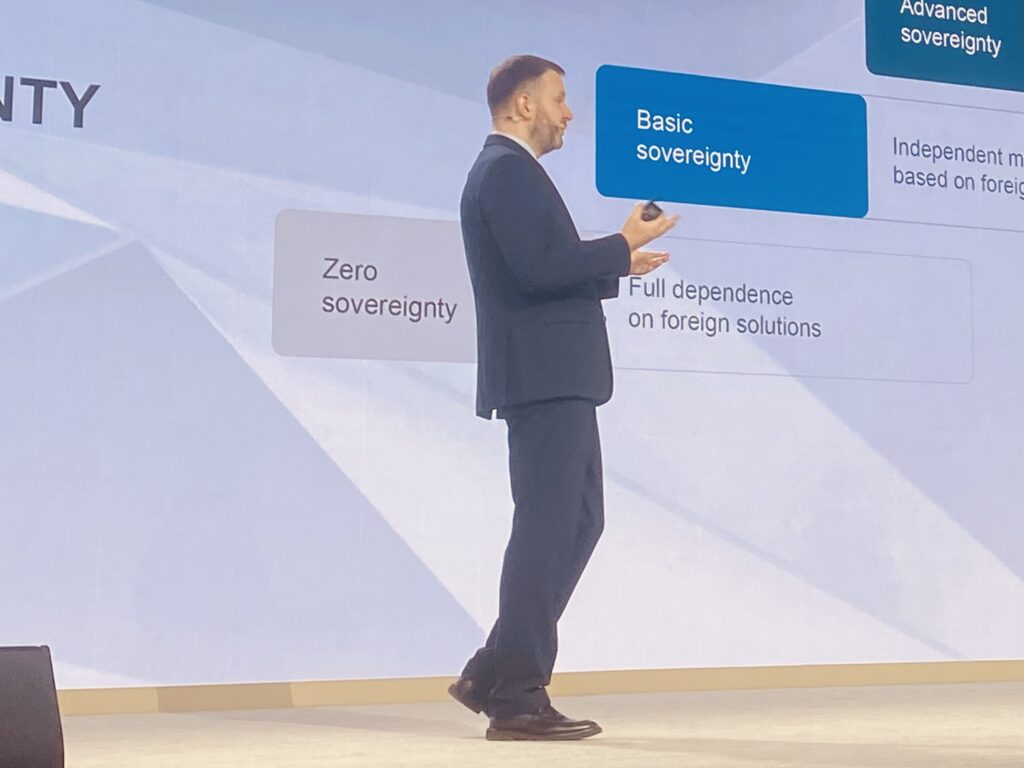
Dr Oreshkin Maxim, Deputy Chief of Staff of the Russsia Presidential Executive Office, disclosed this in his address on Monday during the Russia-Africa forum partners meeting in Moscow, Russia.
The high-level meeting was held on the side lines of the third Russia-Africa Summit scheduled for Oct. 28 to 29, in the country.
He said Russia had proposed a strategic approach to working more closely with Africa by implementing joint projects that could unlock Africa’s full potential and provides solutions tailored to the needs of both parties.
Other areas of cooperation include localisation of workforce development, local partnership in domestic manufacturing operations, knowledge transfer, infrastructural technology and co-creation of sovereign management.
Maxim said, “Russia can import fruits, nuts, vegetables, coffee, cocoa, tea and spices, vegetable oil and oil seeds, fish and sea foods from Africa.
“When Russia comes into partnership it considers the interest of comprehensive and long term trajectory. This will help to develop African countries’ conversion of energy sources.”
He noted that although sanctions imposed by Europe on Russia posed difficulties to implement earlier planned goals, the country would continue to prioritise its partnership with South Asia and Africa.
According to him, this would boost Russia’s trade with Africa, generate new projects and produce good solutions, saying Russia has all the competences needed to achieve these objectives.
“Affordable and reliable energy are the foundation of industrialisation, digitisation and a higher quality of life which Russia can offer,” he said.
In her remarks, Dr Nkosazana Dlamini-Zuma, the Chancellor of the University of Limpopo, stressed the need for Russia to prioritise capacity building for African youth.
Dlaming-Zuma, the first female Chairperson of the African Union Commission (AUC), said this should be in terms of skills development to enable young people to achieve their goals to contribute to the continent’s growth.
For his part, Prof. Abdullahi Musa, the Vice-Chancellor of Kaduna University in Nigeria, underscored the need to develop an action plan to achieve the set targets.
“If we are to move forward, in terms of agriculture, artificial intelligence, human rights and security, you have to prioritise education.
“You have not mentioned the role of education and the part universities can play in line with global development plan,” Musa said.
The highlight of the session was a panel discussion on the development of cooperation in the modern era, including new platforms and formats for interaction, among others issues.(NAN)