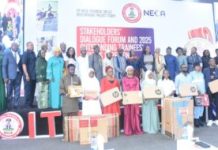
The Nigeria Security and Civil Defence Corps (NSCDC) says it will protect Persons with Disabilities (PWDs) from intimidation and discrimination before, during and after the 2027 general elections.
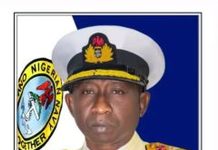
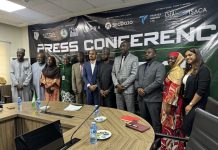
The Commandant-General of NSCDC, Prof. Ahmed Audi, gave the assurance on Thursday at a technical engagement on disability-inclusive election security and protection protocols organised by TAF Africa in Abuja.
Audi said an election could not be credible if citizens were prevented from voting because of their disabilities.
He said the corps would work to prevent political thuggery, ensure access to polling units and respond to incidents involving voters with disabilities.
He said the NSCDC had a unit for PWDs at its national headquarters and dedicated desks across state commands.
According to him, the corps’ Gender Policy 2026–2030 also provides for the protection of vulnerable groups.
“Our mandate for 2027 is clear, resting on three pillars, including zero tolerance for intimidation,” Audi said.
He said the corps would use its PWD and gender desks to identify and respond to threats against voters with disabilities.
Audi added that officers would assist voters with mobility, visual and hearing disabilities to access polling units.
He said the corps would also improve reporting and coordination with the Independent National Electoral Commission (INEC), the police and other security agencies to respond to electoral incidents.
He directed personnel to treat voters fairly and avoid actions that could obstruct or humiliate those seeking assistance.
“A ballot cast by a person with a disability carries the identical constitutional weight as any other person. Protecting that vote is not charity; it is a solemn duty of the state,” he said.
The Executive Director of Inclusive Friends Association (IFA), Grace Jerry, urged security agencies to involve PWDs in developing election security measures.
Jerry said security personnel needed to understand the challenges faced by PWDs who participate in elections as voters and observers.
She recounted an incident during an off-cycle election in Kogi, where a group of PWD observers were accused of taking a ballot box, while those responsible allegedly passed through security checkpoints.
“I was screaming, ‘I am a person with disability! My wheelchair is in the boot! Open it,’” she said.
Jerry said accredited election observers with disabilities should not face harassment or intimidation while carrying out their duties.
She called for cooperation among security agencies and disability groups to address the needs of PWDs, pregnant women, internally displaced persons and other vulnerable groups during elections.
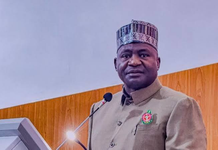
Also speaking, the National President of the Joint National Association of Persons with Disabilities (JONAPWD), Mr Abdullahi Usman, called for improved data sharing between disability organisations and security agencies.
Usman, represented by the association’s North-Central Coordinator, Mr Mike Gideon, said gaps remained in voter data, electoral logistics and political party conduct despite efforts to improve inclusion.
He said security agencies often lacked information on the number of voters with disabilities at polling units and the assistance they might require.
Usman urged political parties to avoid violence in their pursuit of electoral victory, warning that such incidents could put voters with disabilities at risk.