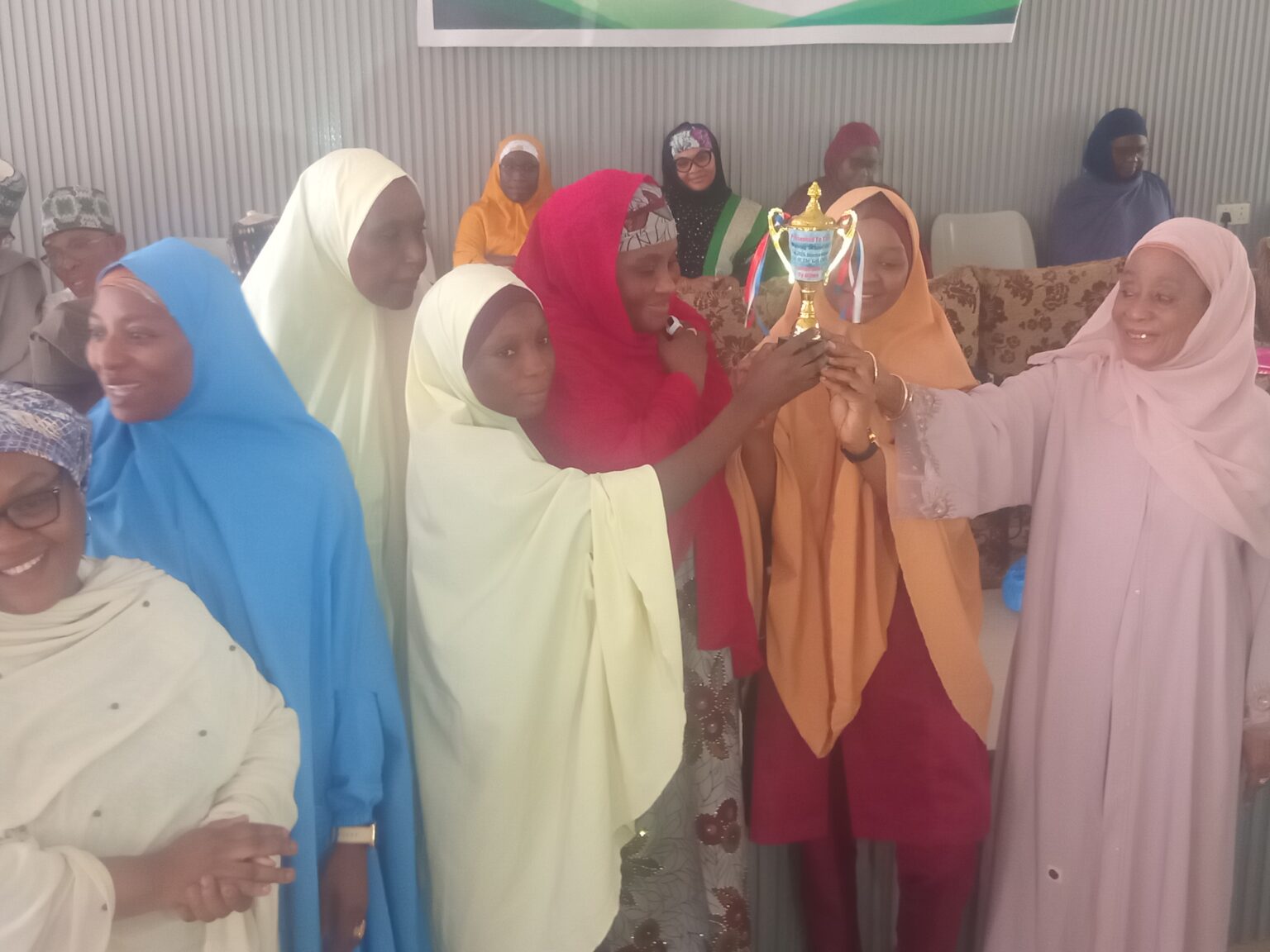
The Katsina State chapter of the High Level Women Advocate (HILWA) has called on the government and stakeholders to remove barriers to girl-child education for sustainable development.
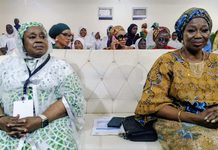
The Chairperson of HILWA, Hajiya Mariya Abdullahi-Bakori, made the call on Thursday at a news conference organised in Katsina to commemorate the 2026 International Day of the Girl Child.
The News Agency of Nigeria (NAN) reports that the event was with the theme, “Educate a Girl Child for Sustainable Development”.
Abdullahi-Bakori recalled that the organisation began its advocacy journey in 2014 with support from the United Nations Children’s Fund (UNICEF).
That, she said, was in spite of facing several pressures and challenges in promoting women’s rights and girls’ education.
“To be an advocate for gender imbalance and be ready to bridge the barriers in between, one must prepare for challenges,” she said.
She said that parents, government, development partners, civil society organisations, traditional and religious leaders, and other stakeholders had important roles to play in shaping the future of the girl child.
According to her, educating a girl child means educating the entire society, urging girls to remain determined and equip themselves with the knowledge and skills needed to overcome societal challenges.
Abdullahi-Bakori highlighted the organisation’s achievements to include increased school enrolment among girls and greater inclusion of women in policymaking, government appointments, and other positions of authority.
She, however, identified poverty, harmful social and cultural beliefs, insecurity, and other factors as major challenges affecting girls’ access to education.
The chairperson appealed to the government, UNICEF, development partners, private sector, traditional and religious leaders, parents, and media to renew their commitment to promoting girls’ education and empowerment.
In her remarks, Hajiya Zulaihat Umar Radda, wife of Katsina State Governor, Malam Dikko Umar Radda, said the presence of HILWA in the state was beneficial to girls.
According to her, the organisation provides a platform for advocating girls’ rights and addressing challenges affecting them.
The governor’s wife was represented by Hajiya Binta Abdulmumini.
She commended the organisation for its efforts toward ensuring that girls became educated, empowered, and self-reliant members of society.
Radda assured the organisation of her continued support, saying she would remain committed to working with it to advance the cause of girls in the state.
Also, the Commissioner for Basic and Secondary Education, Yusuf Suleiman-Jibia, described education as a fundamental human right and a powerful tool for empowering girls, reducing poverty, and promoting sustainable development.
Suleiman-Jibia was represented by the Director of Special Duties in the ministry, Abdullahi Babangida.
The commissioner said every girl deserved equal access to quality education in a safe, inclusive, and supportive learning environment, irrespective of her background or circumstances.
He identified poverty, insecurity, early marriage, and gender discrimination as persistent barriers to girls’ education, stressing the need for coordinated efforts by government, parents, community leaders, and development partners.
Suleiman-Jibia reaffirmed the commitment of the state government to expand access to quality education and provide an inclusive learning environment, particularly for girls.
The commissioner urged parents and guardians to prioritise girls’ education.
He also called on community leaders and other stakeholders to support school enrolment, retention, and completion while protecting girls against violence, abuse and harmful practices.
He encouraged girls to remain committed to their education, believe in their abilities, and strive for excellence, noting that their development was essential to the progress of society.
Also speaking, UNICEF focal person at the State Universal Basic Education Board, Hajiya Hauwa Kai-Kai, commended HILWA for its tireless efforts to promoting girls’ rights and addressing barriers to their education.
She called on the government, development partners, and other stakeholders to address challenges such as school dropout and early marriage in communities. (NAN)