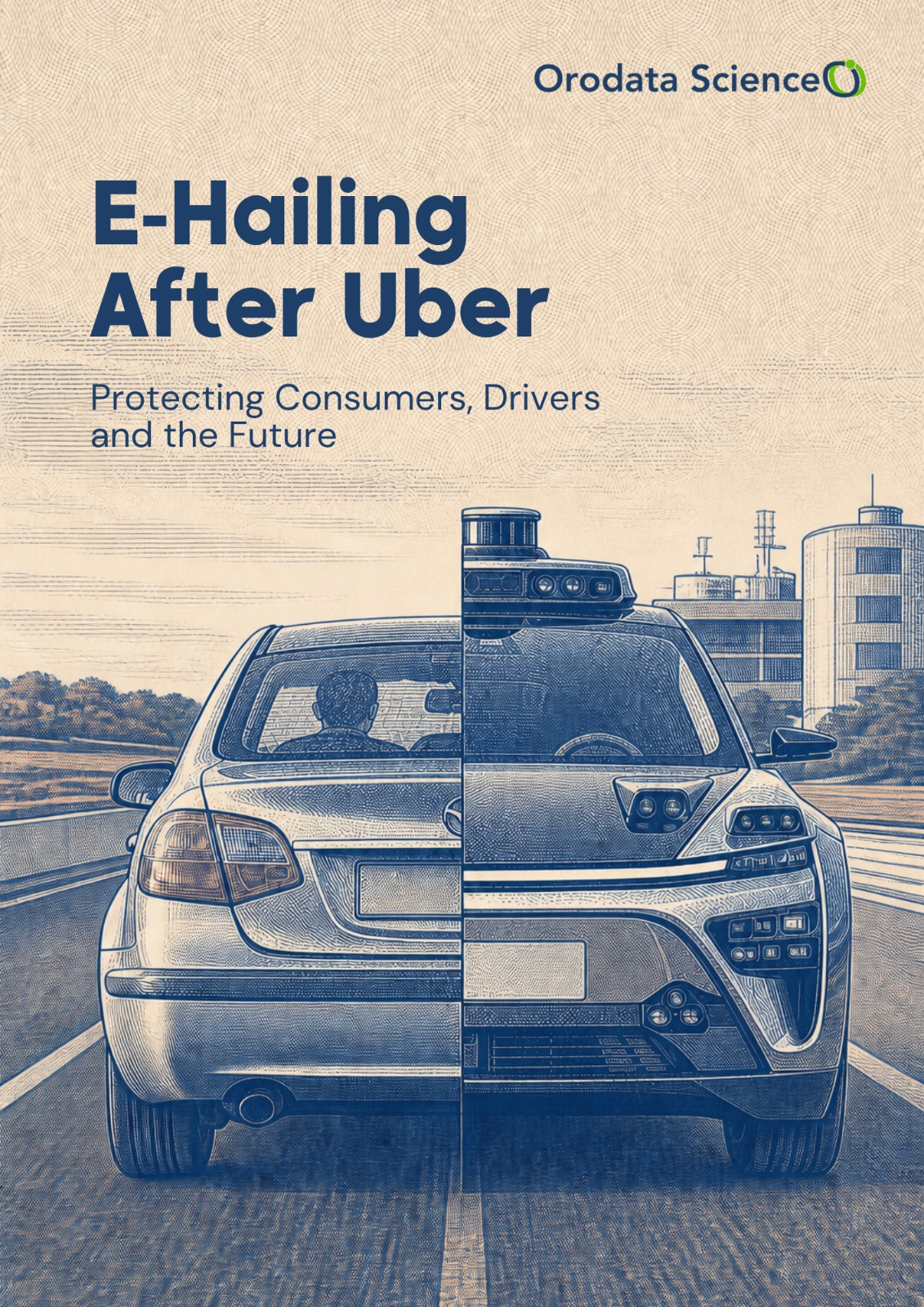
Orodata Science, a data and civic technology organisation, has called for stronger safeguards for passengers and drivers in Nigeria’s e-hailing sector.
Orodata made the call in a report titled, “E-Hailing After Uber: Protecting Consumers, Drivers and the Future.”
The report examines the implications of Uber’s departure from Nigeria and the future of app-based transportation in the country.
It also reviews the changing competitive landscape involving platforms such as Bolt, inDrive, LagRide, Rida, Shuttlers and SafeBoda.
According to the organisation, Uber’s exit provides an opportunity to examine how Nigeria’s e-hailing industry can better protect consumers and drivers.
It said the future of the sector should not be viewed solely from the perspective of competition among technology platforms.
Orodata said attention must also be given to passengers and drivers who depend on e-hailing services for mobility and livelihoods.
The organisation identified passenger safety, driver welfare, fares, platform accountability and working conditions as areas requiring sustained attention.
It said stronger regulatory and consumer-protection measures would be necessary as competition among e-hailing platforms evolves.
The report also draws lessons from developments in South Africa, highlighting possible approaches to regulating the sector and protecting stakeholders.
Orodata said the changing market presented an opportunity for Nigeria to develop policies that would encourage innovation while safeguarding consumers and drivers.
The report comes amid renewed competition among e-hailing operators following Uber’s decision to discontinue its operations in Nigeria after 12 years.
Orodata said the departure had raised broader questions about the resilience of the sector and protections available to stakeholders when a major platform exits a market.
It urged relevant authorities and industry stakeholders to use the transition to strengthen accountability and establish clearer safeguards for the sector.
The organisation said such measures would help ensure that technological innovation in transportation translated into safer and more sustainable services for Nigerians.
Orodata also called for greater consideration of drivers’ working conditions and the economic pressures associated with operating in the e-hailing industry.
It said consumers should equally have access to safe, reliable and accountable transportation services, regardless of the platform they use.
Orodata said the post-Uber period offered an opportunity to build a more sustainable e-hailing ecosystem based on effective regulation, competition and consumer protection.
It said the ecosystem should also respect drivers’ rights and promote accountability among operators.
The report is part of Orodata’s efforts to promote data-driven public discourse and accountability in areas affecting Nigerians.(NAN)