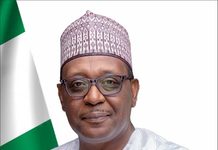
Central Bank of Nigeria (CBN), Governor Olayemi Cardoso, says diaspora remittances are projected to rise to one billion dollars monthly by the end of 2026.
Cardoso also urged domestic investors to take advantage of opportunities created by the ongoing reforms and improve macro-economic stability.
He spoke during a fireside chat hosted by Mr Frank Aigbogun, Publisher and Editor-in-Chief of BusinessDay Media Ltd. at the 14th Annual BusinessDay CEO Forum in Lagos on Thursday.
The forum had the theme, “From Stability to Shared Prosperity.”
Cardoso said reforms introduced by the apex bank had restored stability in the foreign exchange market and improved investors confidence.
He identified exchange rate unification as one of the CBN’s major achievements under the reforms programme.
According to him, replacing multiple exchange rate windows with a market driven system eliminated distortions and improved transparency.
Cardoso said improved foreign exchange liquidity and stronger reserves were among the gains from the reforms.
He said Nigeria’s net external reserves had risen from about three billion dollars at the start of the reforms to above 40 billion dollars currently.
The governor added that gross external reserves had grown to about 52 billion dollars, representing about 10 months of import cover.
According to him, the reserves are designed to shield the economy from external shocks and excessive market volatility.
He said the reserves were not meant for routine interventions or day to day exchange rate management.
Cardoso described diaspora remittances as a major contributor to rising reserves and foreign exchange stability.
He said the CBN deliberately targeted remittances to diversify reserve sources beyond oil earnings.
According to him, the apex bank engaged Nigerians abroad, banks and international partners to identify barriers to official remittance flows.
He said the CBN subsequently reviewed policies to ensure easier movement of funds into and out of the country.
Cardoso described the approach as providing free entry and free exit for foreign exchange.
He said the reforms helped doubled diaspora inflows within one year and exceeded initial expectations.
According to him, remittances had risen to more than 600 million dollars at the latest reporting period.
He said the CBN expected inflows to reach one billion dollars monthly by the end of 2026.
Cardoso projected annual remittances could reach about eight billion dollars if the current momentum was sustained.
He said the development reflected growing confidence in Nigeria’s financial system and foreign exchange market.
Cardoso also highlighted the return of international functionality to Naira denominated payment cards.
He said the initiative improved convenience for Nigerians travelling and making payments abroad.
On bank recapitalisation, Cardoso said the exercise attracted between four trillion Naira and five trillion Naira in fresh capital.
He said the additional capital had strengthened the resilience and lending capacity of Nigerian banks.
According to him, moderating inflation and lower interest rates would support increased lending to businesses and small enterprises.
He urged banks to maintain prudent risk management while expanding credit to productive sectors.
Cardoso advised Nigerian business leaders to take advantage of improving economic conditions by investing locally.
According to him, international investors had shown growing interest in Nigeria following recent reforms.
“The time to invest is now because stability has returned and opportunities are expanding,” he said.
Speaking on monetary policy, Cardoso said the Monetary Policy Committee remained guided by data in its decisions.
He said the committee would continue taking decisions that protect Nigeria’s long term economic interests.
Cardoso explained that global developments could influence future monetary policy decisions.
He cited the recent conflict involving the United States and Iran as an example of external risks facing economies.
According to him, difficult policy decisions helped restore confidence during a period of severe economic stress.
He said Nigeria previously faced weak reserves and about seven billion dollars in outstanding obligations.
Cardoso said trust remained the foundation of central banking and sound economic management.
He said difficult reforms were necessary to secure the country’s future and promote shared prosperity. (NAN)