The Sokoto State Government and an NGO, Sightsavers, have sought media partnership on sustained sensitisation to scale up vaccination against tetanus and distribution of azithromycin drug across the state.
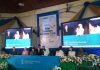
Mr Kamaru Gada, the Director, Advocacy in the Sokoto State Primary Healthcare Development Agency (SSPHCDA), made the call during a media orientation and sensitisation meeting on Tuesday in Sokoto.
Gada assured more state government support for the administration of antibiotics drug “Azithromycin” to children, stressing that the last round exercise recorded more than 90 per cent coverage, raising hope for sustained progress.
The News Agency of Nigeria (NAN) reports that the meeting was organised by Sightsavers ahead of the May 12 commencement of vaccination and administration of azithromycin drug across local government areas in the state.
NAN also reports that the programme operates under the Safety and Antimicrobial Resistance of Mass Administration of Azithromycin on Children in Nigeria (SARMAAN), designed to improve child survival outcomes through preventive treatment.
Azithromycin is a broad-spectrum macrolide antibiotic that inhibits bacterial protein synthesis, thereby stopping bacterial growth, making it effective for tackling infections contributing to high childhood morbidity and mortality in vulnerable communities.
The antibiotic is commonly used to treat respiratory infections, diarrhoea, and various childhood illnesses. Its administration aligns with the World Health Organisation’s 2022 guidelines for targeted preventive treatment among at-risk populations.
In his address, the Sightsavers Programme Officer, Mr Olayinka Lawal, said azithromycin is a vital antibiotic used to treat various childhood ailments and plays key role in reducing infant and child deaths.
Lawal emphasised that the SARMAAN Project aligned with global efforts to improve child survival in low- and middle-income countries, demonstrating the potential of bi-annual azithromycin administration in lowering early childhood mortality.
He added that stakeholders monitored azithromycin’s safety and effectiveness in reducing antimicrobial resistance among treated children.
According to him, the targeted children are zero to 59 months using azithromycin, particularly in communities battling Neglected Tropical Diseases like onchocerciasis and schistosomiasis causing significant mortality.
A Specialist, Mr Buhari Dahiru, dwelt on prevalence and complications of Tetanus and importance of the immunisation vaccine to humans and highlighted the related comparative cases across the globe.
Dahiru underscored the importance of media to public communication in interventions and benefits.
The meeting featured interactive sessions, questions and answers, as well as reporting mechanism on symptoms and other issues